
Work Shoe Matcher for Irish Shift Workers
Answer these quick questions to find the ideal footwear category for your daily routine.
Select your work details on the left to see personalized recommendations.
If you work in a hospital ward in Dublin, a factory floor in Cork, or a retail store on Grafton Street, you know the pain of standing still. It’s not just about walking; it’s about supporting your body weight on hard surfaces for twelve hours straight. The wrong pair of work shoes can leave your lower back screaming and your feet feeling like they’ve been beaten with a hammer by the time you clock off. But here is the good news: you don’t have to suffer through every shift. Finding the right footwear isn’t just about comfort-it’s about protecting your long-term health.
Living in Ireland means dealing with specific challenges that other countries might not face as intensely. We have wet weather that turns floors slippery, older buildings with uneven tiles, and a healthcare system where nurses and care assistants often run marathons without realizing it. Whether you are a nurse at Tallaght Hospital, a warehouse worker in Rathcoole, or a chef in Galway, your shoes need to handle more than just fashion trends. They need to handle pressure, moisture, and eight to twelve hours of continuous stress.
The Physical Toll of Standing Still
Most people think walking causes foot pain. Actually, standing still is worse. When you walk, your calf muscles pump blood back up to your heart. When you stand still, gravity pulls blood down into your legs, causing swelling and fatigue. This is why many Irish healthcare professionals report varicose veins and plantar fasciitis earlier in their careers.
In Ireland, our public transport and workplace infrastructure add another layer. Think about the commute on the Luas or the DART. You’re already tired before you start. If your shoes lack proper arch support, the impact travels up your kinetic chain-to your knees, hips, and spine. Podiatrists across Dublin consistently warn that flat-soled sneakers, while trendy, offer zero shock absorption for static positions. You need structure, not just soft foam.
Key Features You Cannot Ignore
When shopping for shoes suitable for long shifts, ignore the brand hype and look at these four non-negotiable features:
- Arch Support: Your arch acts as a shock absorber. Without support, it collapses under load, leading to plantar fasciitis. Look for built-in orthotic-friendly designs or removable insoles so you can insert custom ones from a local podiatrist.
- Closed-Toe Protection: In hospitals and kitchens, dropping something heavy or spilling hot liquid is common. Open sandals are out. You need a secure fit that keeps debris out.
- Slip Resistance: Wet floors are a reality in Irish workplaces, especially during winter months when rain tracks in from outside. Look for soles rated SRC (slip-resistant ceramic), which meet European safety standards EN ISO 20345.
- Breathability: Eighteen hours a day in socks creates heat. Synthetic materials trap sweat, leading to fungal infections. Natural leather or high-tech mesh fabrics allow air circulation, keeping feet dry and healthy.
Top Shoe Types for Irish Workers
Not all work boots are created equal. Here is what actually works based on feedback from Irish workers in various sectors.
| Shoe Type | Best For | Pros | Cons |
|---|---|---|---|
| Nursing Clogs | Hospitals, Clinics | Easy to clean, slip-resistant, lightweight | Less ankle support, can be noisy |
| Athletic Walking Shoes | Retail, Warehousing | High cushioning, breathable, stylish | Fabric gets dirty easily, less protective |
| Steel-Toe Boots | Construction, Manufacturing | Maximum protection, durable | Heavy, hot, requires break-in period |
| Comfort Sneakers | Office, Light Retail | Versatile, good arch support | May lack slip resistance rating |
Nursing Clogs: The Healthcare Standard
Brands like Dansko and Crocs Professional Line dominate Irish hospitals. Why? Because they are easy to hose down after a messy shift. However, traditional clogs can cause heel slippage if not fitted correctly. A snug fit is crucial. If your heel lifts every step, you will develop blisters within days. Many nurses in Limerick recommend pairing clogs with compression socks to aid circulation.
Athletic Shoes: The Retail Favorite
For those working in stores like Penneys or Dunnes Stores, athletic-style shoes from brands like Hoka One One or Brooks are gaining popularity. These provide superior cushioning for concrete floors. The thick midsole absorbs impact, reducing knee strain. Just ensure they have a non-marking sole if your workplace prohibits scuff marks. Note that white soles get dirty quickly in urban environments, so darker colors might be more practical for daily commutes on the bus or train.
Safety Footwear: Beyond the Construction Site
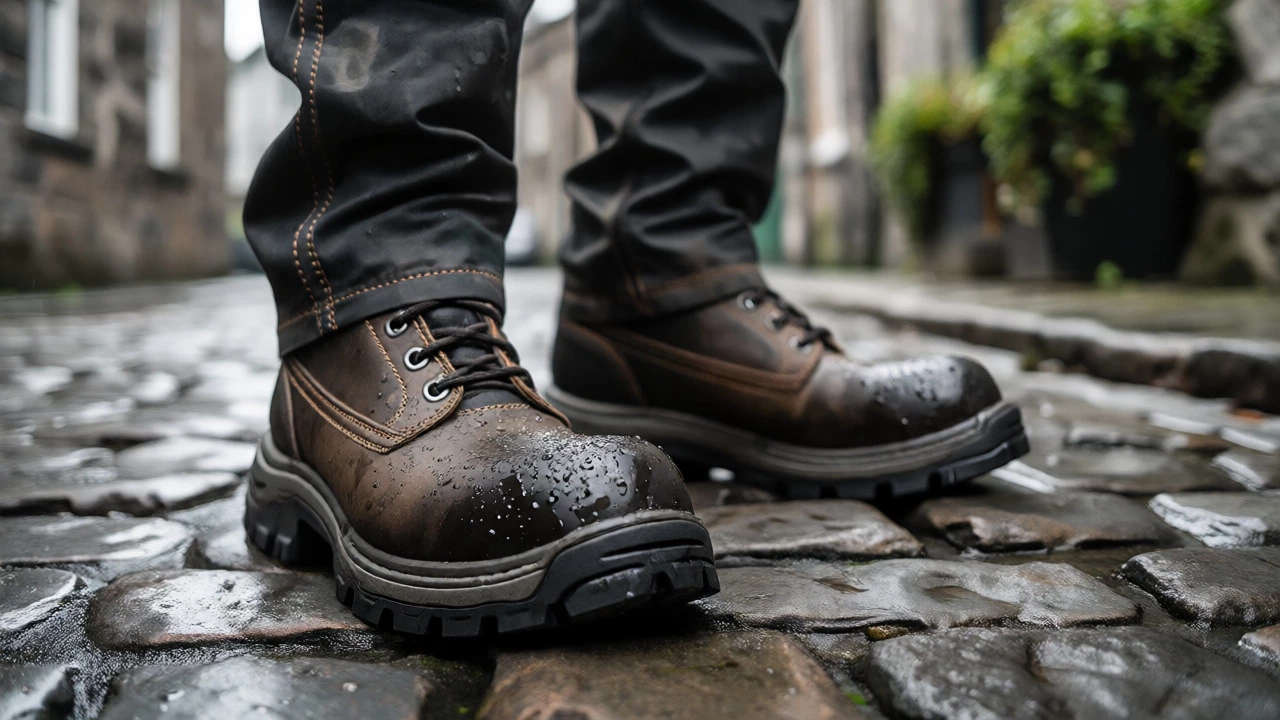
If you work in food processing or logistics, steel-toe caps are mandatory. Modern Irish safety boots are much lighter than the clunky versions of the past. Brands like U-Power and Red Wing offer composite toes that are lighter and do not conduct cold-a big plus when working in refrigerated warehouses in Dublin Port during January.
Local Insights: Where to Buy and Fit
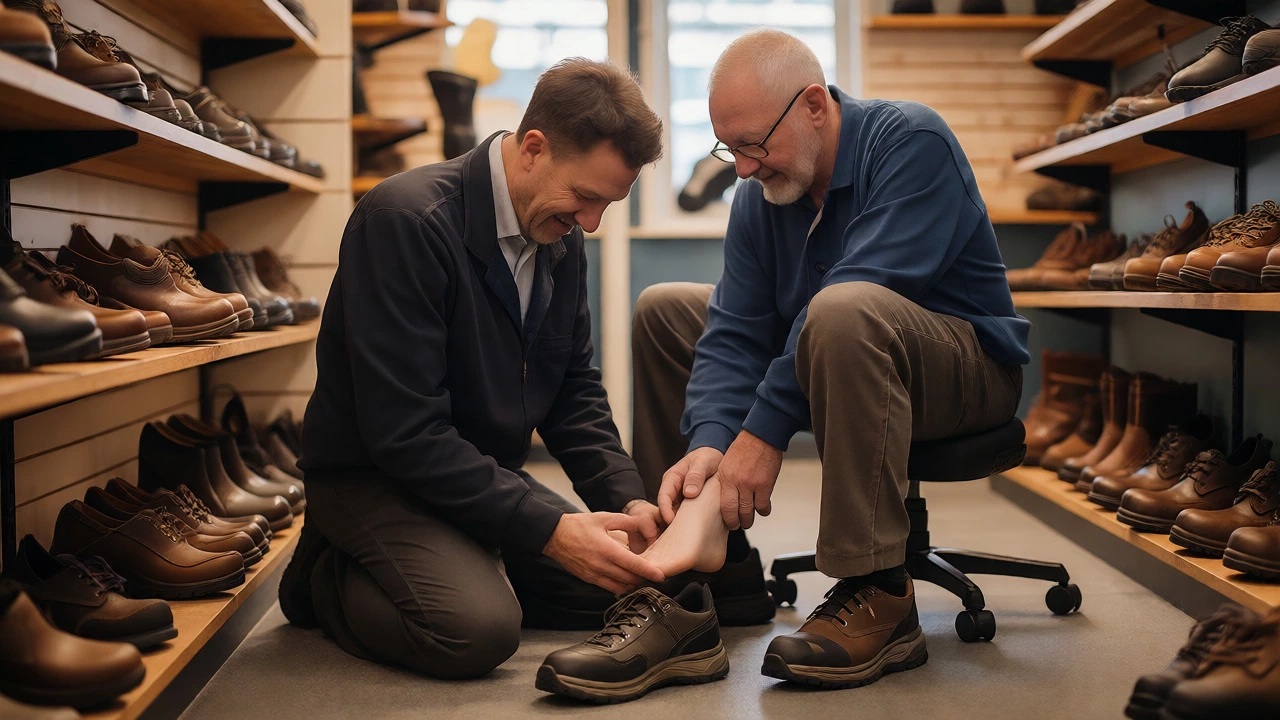
You cannot buy work shoes online and expect them to fit perfectly every time. Feet swell throughout the day, so trying on shoes in the afternoon mimics the size of your feet during a long shift. In Ireland, specialized retailers like Clarks or independent shoe shops in town centers often provide better fitting services than large chains.
Consider visiting a local podiatrist. In cities like Cork and Galway, private podiatry clinics offer gait analysis. They can tell you if you overpronate (roll inward) or supinate (roll outward). This information dictates whether you need motion-control shoes or neutral cushioning. Spending €60 on a consultation now could save you hundreds in physiotherapy later.
Also, check if your employer offers a uniform allowance. Many Irish companies, particularly in the healthcare and hospitality sectors, contribute towards safety footwear costs. Ask HR. It’s part of your employment rights under health and safety regulations to have appropriate equipment provided or subsidized.
Maintenance Matters
Your shoes degrade over time. The foam in athletic shoes compresses after 500-800 kilometers of use. For a 12-hour shift worker, this might mean replacing shoes every three to six months. Do not wait until the sole wears through. Once the tread pattern disappears, slip resistance drops significantly. In wet Irish winters, this is dangerous.
Clean your shoes regularly. Salt from icy pavements damages leather. Use a waterproof spray specifically designed for work boots. Rotate two pairs of shoes if possible. Letting one pair rest for 24 hours allows the moisture to evaporate completely, extending the life of the materials and preventing odors.
Common Mistakes to Avoid
One major mistake is wearing new shoes on your first shift. Always break them in gradually. Wear them for an hour at home, then a short drive, then a half-shift. Another error is ignoring sock choice. Cotton socks hold moisture against the skin. Switch to merino wool or synthetic blends designed for performance. They wick sweat away and reduce friction, preventing blisters even in tight-fitting boots.
Finally, do not assume expensive equals best. Some budget options from discount retailers perform surprisingly well if they have good structural support. Test the shoe yourself. Press the heel counter (the back part). It should be stiff. If you can twist the shoe like a rag doll, it lacks the stability needed for long shifts.
Frequently Asked Questions
Are running shoes okay for 12-hour shifts?
Generally, no. Running shoes are designed for forward motion, not standing still. Their soft soles can cause instability and fatigue when standing for long periods. Look for shoes labeled 'walking' or 'standing' rather than 'running.'
How often should I replace my work shoes?
For 12-hour shifts, expect to replace them every 3 to 6 months. Check the tread wear and midsole compression. If the foam feels dead or the sole is smooth, replace them immediately to maintain safety and support.
Do I need steel-toe caps in a hospital?
Usually, no. Most Irish hospitals require slip-resistant, closed-toe shoes but not necessarily steel toes unless you work in maintenance or construction areas within the hospital. Check your specific workplace safety policy.
What socks go best with work shoes?
Avoid cotton. Choose merino wool or synthetic technical socks. They manage moisture better, reduce blister risk, and provide extra cushioning. Compression socks are also highly recommended for nurses and warehouse workers to improve circulation.
Can I wear trainers in a restaurant kitchen?
Only if they are certified slip-resistant and fully enclosed. Many chefs prefer dedicated culinary shoes with oil-resistant soles. Regular canvas trainers absorb grease and water, becoming slippery and unsanitary quickly.