
Irish Hoodie Quality Estimator
Not sure if that hoodie is worth your money? Input its specs below to see how it stacks up against the demands of Dublin's damp winters.
Hoodie Specifications
Analysis Result
Enter details to see if this hoodie survives an Irish winter.
Verdict
PendingExplanation will appear here.
Care Tips for Longevity
- Wash Cold (30°C)
- Inside Out
- Air Dry Flat (No Tumble)
- No Fabric Softener
Living in Dublin or anywhere across Ireland means you know one truth better than most: the weather changes faster than you can change your mind. One minute it’s a rare burst of sunshine on Grafton Street, and the next, you’re dodging sideways rain near Trinity College. In this climate, a best quality hoodie isn’t just fashion-it’s survival gear. But walk into any high street store from Dundrum Town Centre to Henry Street, and you’ll be bombarded with options that look identical but feel wildly different after three washes. So, what actually makes a hoodie worth your hard-earned euros? Is it the brand name stitched onto the chest, or is it something deeper hidden in the fabric itself?
If you’ve ever bought a cheap hoodie that pilled (those annoying little balls of fuzz) after two wears, you already know the difference between marketing and material. The search for the perfect hoodie is really a search for durability, comfort, and warmth that lasts through our notoriously wet winters. This guide cuts through the noise. We’re looking at what defines true quality, which brands hold up against Irish dampness, and how to spot a dud before you reach for your wallet.
The Secret Sauce: Fabric Weight and Composition
Most people grab a hoodie based on color or logo. Big mistake. If you want longevity, you need to check the label first. In the industry, we talk about GSM (grams per square meter). This number tells you exactly how thick and dense the fabric is. For the average consumer, anything under 300 GSM is thin. It might look fine in the shop, but it won’t block out a November wind off the Liffey.
To get real value, aim for heavyweight cotton with a GSM rating between 400 and 500. This weight provides structure. It hangs properly rather than clinging to your back when it gets sweaty during a commute on the Luas. However, pure heavyweight cotton can take ages to dry if you get caught in a downpour. That’s why many premium brands blend materials. A mix of 80% cotton and 20% polyester often strikes the right balance. The cotton gives you breathability and softness; the polyester adds strength and helps the garment keep its shape after washing.
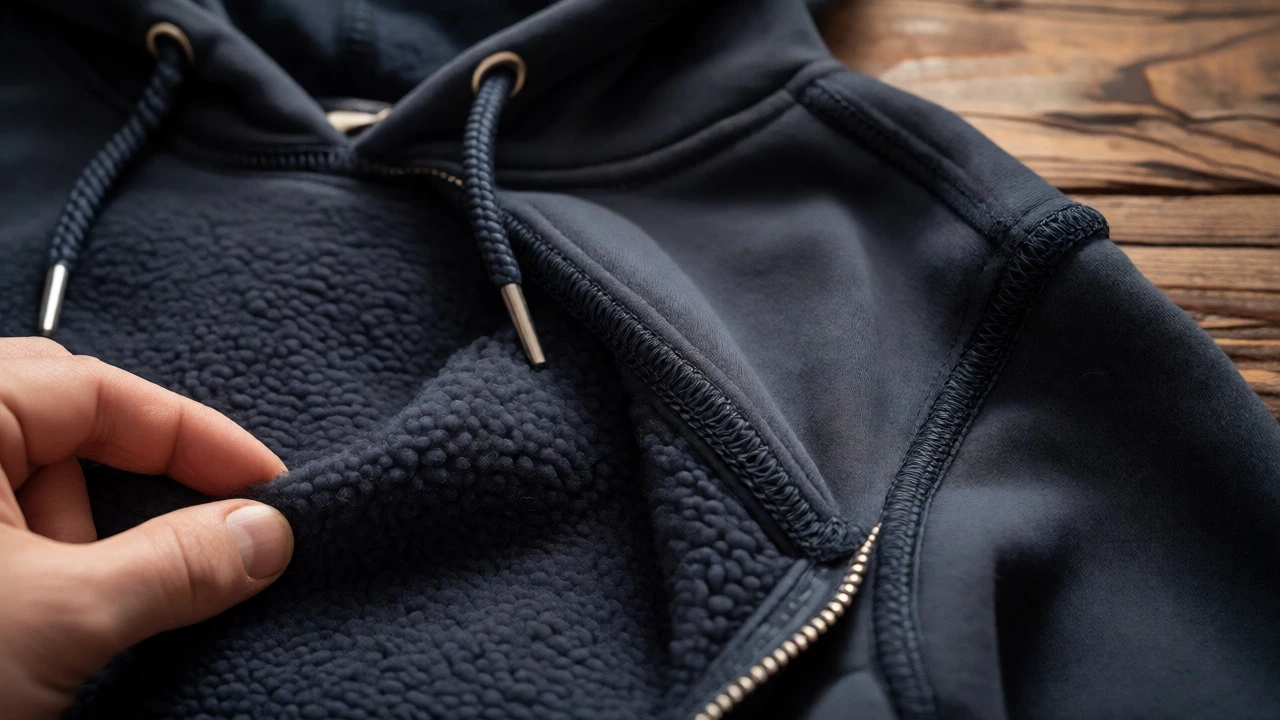
Another critical factor is whether the hoodie is fleece-lined or brushed. In Ireland, a standard terry loop interior (the bumpy texture inside regular sweatshirts) often feels cold when you first put it on. Fleece lining traps heat effectively, making it ideal for walking home from work when the temperature drops. But beware: cheap fleece pills easily. High-quality fleece is made from long-staple fibers that resist tangling. If you run your hand over the inside and it feels like sandpaper, put it back.
Construction Details That Matter
You can have the best fabric in the world, but if the stitching fails, the hoodie dies young. Pay attention to the seams. Look for double-needle stitching along the side seams and shoulders. This technique reinforces stress points where the fabric is most likely to tear. Single-needle stitching is cheaper and weaker. You’ll find it on fast-fashion items sold in places like Primark or Penneys, which are great for budget basics but rarely last more than a season.
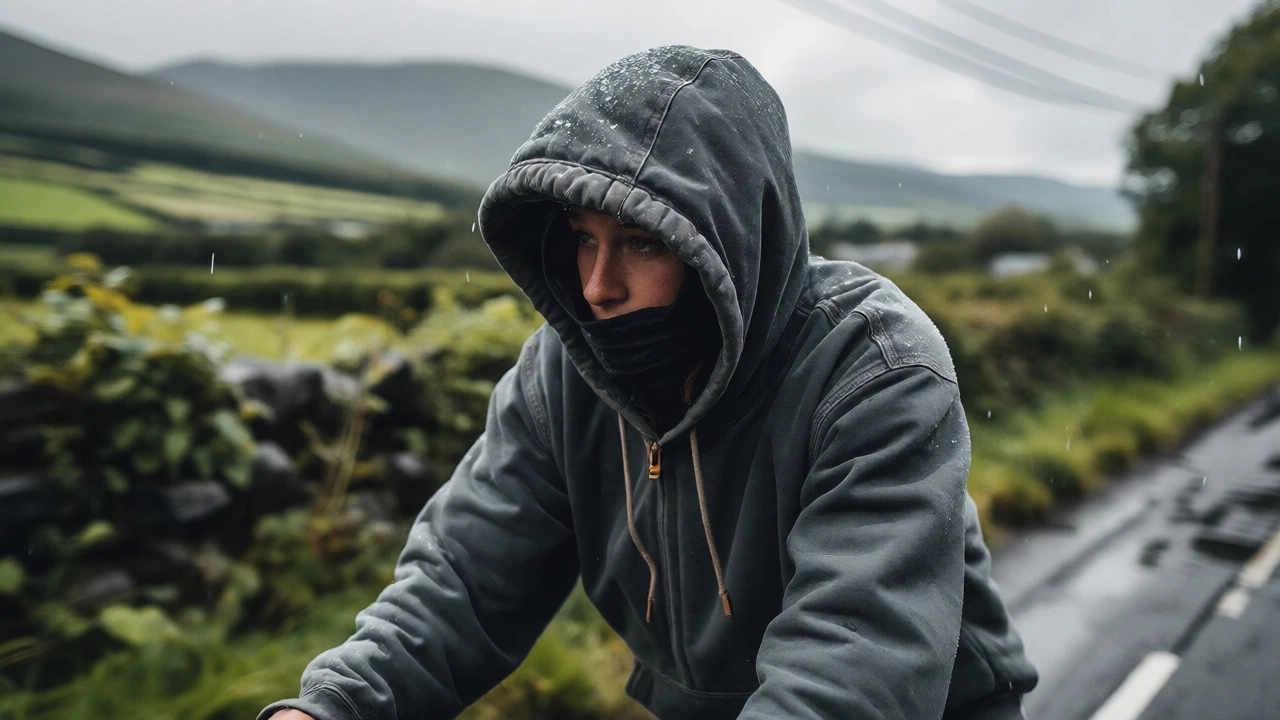
Then there’s the hood itself. Does it collapse into a sad triangle around your neck, or does it stand up proudly? A structured hood requires extra fabric panels or stiffening agents. Many high-end streetwear brands use a "double-layer" hood construction. This adds weight and prevents the hood from flopping forward when you’re not wearing it. It also offers better protection against the wind. If you’re cycling in Cork or Galway, a floppy hood is useless. You need one that stays put.
Don’t ignore the drawstrings either. Cheap plastic aglets (the tips of the strings) break off quickly. Metal aglets or reinforced fabric ends last longer. Also, check if the drawcords are enclosed within a channel. Exposed cords snag on zippers and bag straps. Enclosed channels are cleaner and more durable, though they cost more to manufacture.
Top Contenders in the Irish Market
When shopping locally or online for delivery to Ireland, several brands consistently deliver on quality. Let’s break down the options based on what they do best.
| Brand | Fabric Weight | Best For | Price Range (EUR) | Durability Rating |
|---|---|---|---|---|
| Champion | Medium-Heavy (Reverse Weave) | Classic Style & Warmth | €60 - €90 | High |
| Premium Blanks | Ultra-Heavy (500+ GSM) | Streetwear & Structure | €80 - €120 | Very High |
| Nike Tech Fleece | Light-Medium | Athletic & Commuting | €70 - €100 | Medium-High |
| Carhartt WIP | Heavyweight Cotton | Rugged Utility | €90 - €130 | Extreme |
| Uniqlo U | Medium | Budget Quality | €30 - €40 | Medium |
Champion Reverse Weave deserves special mention here. Originally designed for US athletes, the "reverse weave" technology minimizes shrinkage vertically. This is crucial because standard cotton hoodies tend to shrink lengthwise in the wash, turning into crop tops. Champion solves this by weaving the grain horizontally. While they are pricier than high-street alternatives, they are an investment piece. You’ll see them everywhere in Dublin universities for a reason-they survive the laundry cycle.
Carhartt WIP is another favorite among those who prioritize toughness. Their hoodies are built for workwear, meaning they can handle being thrown in a backpack, spilled coffee, and general abuse. The fabric is stiff initially but breaks in beautifully over time. If you work outdoors or just prefer a boxy, utilitarian fit, this is your go-to.
For those who want a modern, oversized silhouette without paying luxury prices, Premium Blanks (available via various independent retailers in Ireland) offer exceptional value. They specialize in heavyweight fabrics that feel substantial. These aren’t flashy; they don’t have giant logos. They rely on cut and fabric quality. This aligns well with the current trend towards minimalism and quiet luxury.
Care Instructions: How to Make It Last
Buying a high-quality hoodie is only half the battle. How you care for it determines its lifespan. Irish tap water is generally soft, which is good for fabrics, but washing habits still matter.
- Wash Cold: Always wash your hoodie at 30°C or lower. Hot water breaks down elastic fibers in the cuffs and waistband, causing them to stretch out.
- Inside Out: Turn the hoodie inside out before washing. This protects the outer surface from friction against other clothes, reducing pilling and fading.
- No Tumble Dry: This is the golden rule. Tumble drying shrinks cotton and damages fleece linings. Instead, lay the hoodie flat on a drying rack. Hanging it while wet stretches the shoulders due to the weight of the water.
- Skip the Softener: Fabric softeners coat the fibers, reducing their ability to breathe and wick moisture. Use white vinegar occasionally to soften naturally instead.
If you live in an apartment with limited drying space, consider a dehumidifier. Drying clothes indoors in winter can lead to mold smells if air circulation is poor. A quick blast with a steamer can also remove wrinkles and refresh the fabric between washes, keeping it looking crisp.
Fitting Trends: What Works Now
Fit is personal, but trends influence what looks "right." Currently, the boxy, cropped fit is popular in urban areas like Dublin’s Temple Bar district. This style pairs well with wide-leg trousers or cargo pants. However, functionality should trump trendiness. Ensure the sleeves are long enough to cover your wrists when you raise your arms. Check that the hem doesn’t ride up too much when you sit down.
Consider the neckline. A higher neck provides more warmth against the wind. Lower necklines are easier to layer over collared shirts or t-shirts. If you plan to wear your hoodie under a jacket, avoid bulky hoods that add unnecessary volume. A thinner, unlined hood fits better under coats. Conversely, if you’re wearing the hoodie as your primary outer layer, go for the thicker, structured option.
Where to Shop in Ireland
You don’t always need to order from overseas to find quality. Several local and international retailers operate strongly in the Irish market.
- Foot Locker & JD Sports: Great for mainstream athletic brands like Nike and Adidas. Watch for seasonal sales around Black Friday or end-of-season clearances.
- Independent Boutiques: Stores in Dublin’s city center or Galway’s Latin Quarter often stock niche brands like Carhartt WIP or Japanese labels like Kapital. Supporting local businesses ensures you get personalized advice on fit.
- Online Specialists: Websites like ASOS or End Clothing offer vast selections with free returns to Ireland. This allows you to try multiple sizes and weights risk-free.
- Vintage Shops: For unique finds, visit vintage stores in Dublin or Belfast. Older hoodies often feature heavier cotton blends that are no longer produced. Just inspect them carefully for moth holes or stretched elastics.
Remember, the "best" hoodie is subjective. It depends on your lifestyle. Are you commuting on public transport? You might prefer a slim-fit, low-profile hoodie that doesn’t bulk you up. Are you hiking in Wicklow Mountains? You need thermal regulation and durability. Define your needs first, then match them to the product attributes discussed above.
Ultimately, investing in a premium hoodie is about buying fewer, better things. In a culture increasingly aware of sustainability, choosing a garment that lasts five years over ten that last six months is both economically and environmentally smart. Next time you’re browsing, ignore the logo. Feel the weight. Check the stitching. Ask yourself: will this survive an Irish winter? If the answer is yes, buy it.
What GSM is considered a high-quality hoodie?
Generally, a GSM (grams per square meter) of 350 to 500 is considered high quality. Below 300 GSM is lightweight and may lack durability. Above 500 GSM is very heavy, suitable for extreme cold but potentially too warm for indoor use.
Do expensive hoodies actually last longer?
Yes, typically. Higher-priced hoodies usually use long-staple cotton, stronger stitching techniques (like double-needle), and better dyeing processes that prevent fading. They resist pilling and shrinking significantly better than budget alternatives.
How do I stop my hoodie from shrinking?
Wash in cold water and air dry flat. Avoid tumble drying, as heat causes cotton fibers to contract. Pre-shrunk cotton hoodies are less prone to shrinking, but proper care still extends their life.
Is fleece-lined or French Terry better for Irish weather?
Fleece-lined is warmer and better for outdoor activities in winter. French Terry (loopback) is more breathable and suitable for milder days or indoor wear. For versatility in Ireland’s variable climate, a mid-weight French Terry hoodie is often the most practical choice.
Which brands are best for durability?
Brands like Carhartt WIP, Champion (specifically Reverse Weave), and Premium Blanks are known for durability. They use heavier fabrics and reinforced stitching that withstand frequent washing and daily wear.