Irish Leather Shoe Matchmaker
Answer three simple questions to find the perfect pair that survives the Irish rain and fits your budget.
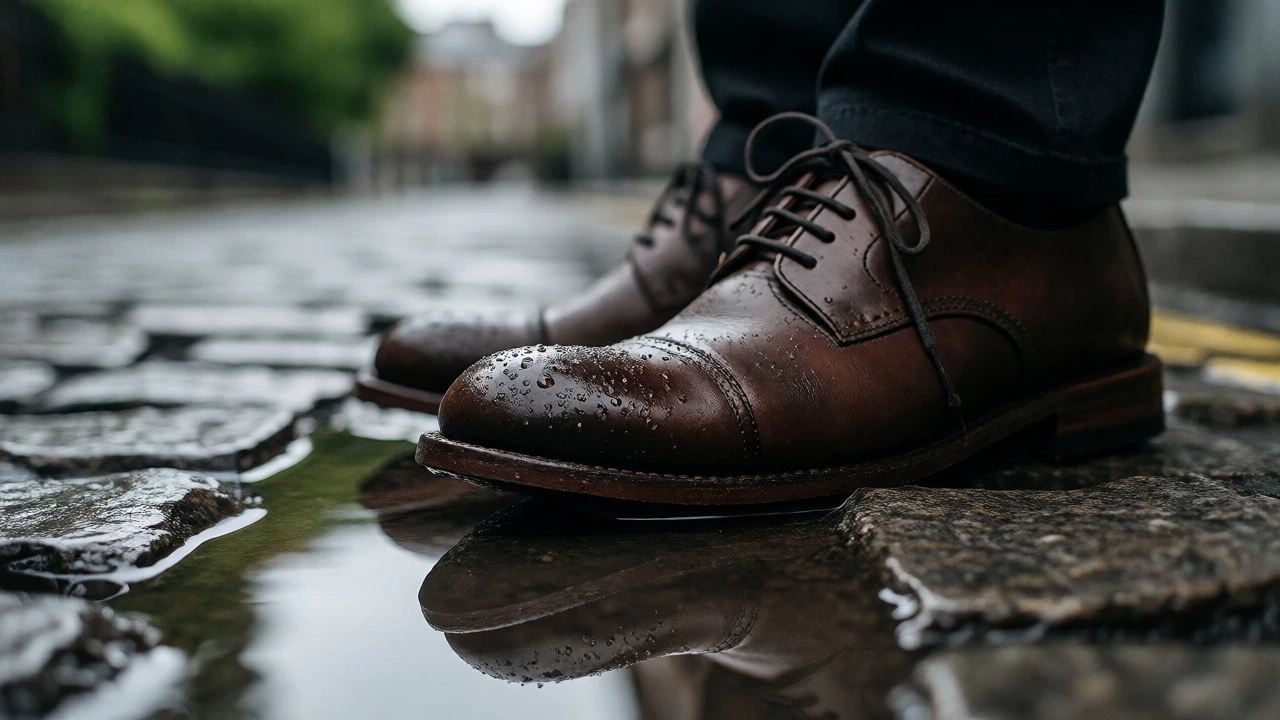
Walk down Grafton Street on a Tuesday afternoon, and you’ll see it immediately. The rain has just stopped, leaving the pavement slick and reflective. Your new leather oxfords are looking sharp until they aren’t. Within minutes, water beads up, darkens the toe cap, and threatens to warp the sole. This is the reality of buying leather shoes in Ireland. It’s not just about style; it’s about survival against a climate that averages 150 rainy days a year. If you’re looking for the best brand, you can’t just pick the one with the loudest logo. You need something that respects our weather, supports our walking habits, and fits within a budget that makes sense for Dublin rents or Cork salaries.
The Irish Reality Check: Why Climate Dictates Choice
Before we name names, let’s talk about why most American or Southern European recommendations fail here. In Ireland, humidity is constant. Rain isn’t an event; it’s a backdrop. This means two things for your feet. First, breathability matters less than waterproofing. Second, salt damage from winter grit is a silent killer. Many people buy beautiful Italian dress shoes only to find them crumbling after two winters because the glue failed or the leather dried out from indoor heating followed by outdoor dampness.
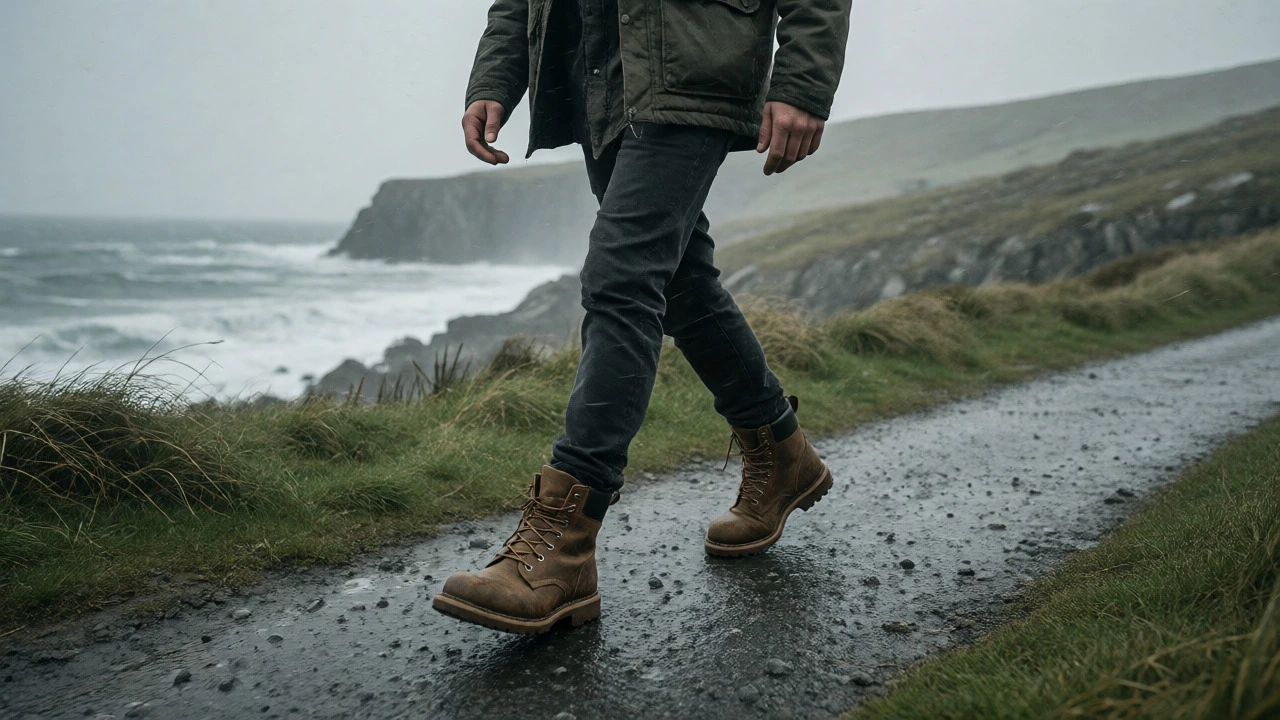
You need brands that understand this cycle. We aren’t looking for delicate calfskin that needs a museum environment. We want robust leathers-think full-grain, pull-up, or properly treated cordovan-that can handle a puddle on O’Connell Bridge and still look decent at the pub later. If you live in Galway or anywhere along the Wild Atlantic Way, the wind chill and spray add another layer of stress to the material. Your choice of brand is effectively a choice of engineering tolerance.
Homegrown Heroes: Irish Craftsmanship That Lasts
Ireland has a deep history in leather goods, but few know which local brands actually deliver on modern footwear needs. When you ask locals where to get reliable work boots, the answer often circles back to heritage makers who have survived the shift from mass manufacturing to boutique quality.
John Hanly & Sons is a staple for many tradespeople across Munster and Leinster. Based in Tipperary, they’ve been making safety and work footwear since 1946. Their heavy-duty leather boots are designed specifically for wet, muddy conditions common in Irish agriculture and construction. They use thick, oil-treated hides that repel water naturally rather than relying solely on synthetic membranes. While they might not be the first choice for a city office, if you’re working outdoors in Kerry or Wicklow, these boots are practically indestructible.
For a more fashion-forward approach, look at Shoe Zone's premium lines or independent makers like Brooks England (though British, widely available and trusted here). However, true Irish bespoke options exist too. Shops in Dublin’s Temple Bar district sometimes carry small-batch makers who use tanneries sourced from County Wexford. These shoes cost more upfront-often €300+-but the repairability factor is high. You can resole them twice, extending their life through five years of Irish winters.
The High Street vs. Heritage: Where to Spend Your Money
Most people start their search in Brown Thomas or Arnotts. But does spending €250 on a pair of designer loafers make sense when the average lifespan in Dublin traffic is eighteen months? Let’s break down the value proposition using real-world scenarios.
| Brand Category | Examples | Avg. Price (EUR) | Rain Resistance | Lifespan (Years) | Best For |
|---|---|---|---|---|---|
| Heritage Workwear | John Hanly, Red Wing | €200 - €350 | High (Oil-tanned) | 5+ | Commuters, Tradespeople, Rural dwellers |
| Premium Casual | Clarks, Ecco | €80 - €150 | Medium (Treated) | 2-3 | Office workers, City walkers |
| Luxury Dress | Church’s, Loake | €300 - €500 | Low-Medium | 3-5 (with care) | Formal events, Dry days, Indoor-heavy jobs |
| Fast Fashion | Zara, H&M | €40 - €70 | Low | 0.5 - 1 | Trend chasing, Short-term use |
Notice the pattern? Fast fashion fails hard in Ireland. The glued soles separate quickly due to moisture exposure. Meanwhile, Goodyear-welted shoes from brands like Loake or Church’s allow for resoling. A cobbler in Belfast or Limerick can replace the sole for €50-€80, giving you three more years of wear. Over ten years, the "expensive" pair costs less per day than the cheap ones you throw away every winter.
Care Is Non-Negotiable: Surviving the Irish Winter
You can buy the best boot in Kilkenny, but if you don’t maintain it, it will die before St. Patrick’s Day. Salt is the enemy. After snow plows hit the roads in January, calcium chloride dust coats everything. If you leave it on your leather, it eats the fibers.
- Daily Wipe: Keep a damp cloth by the door. Wipe off mud and salt immediately upon entering. Don’t wait for it to dry.
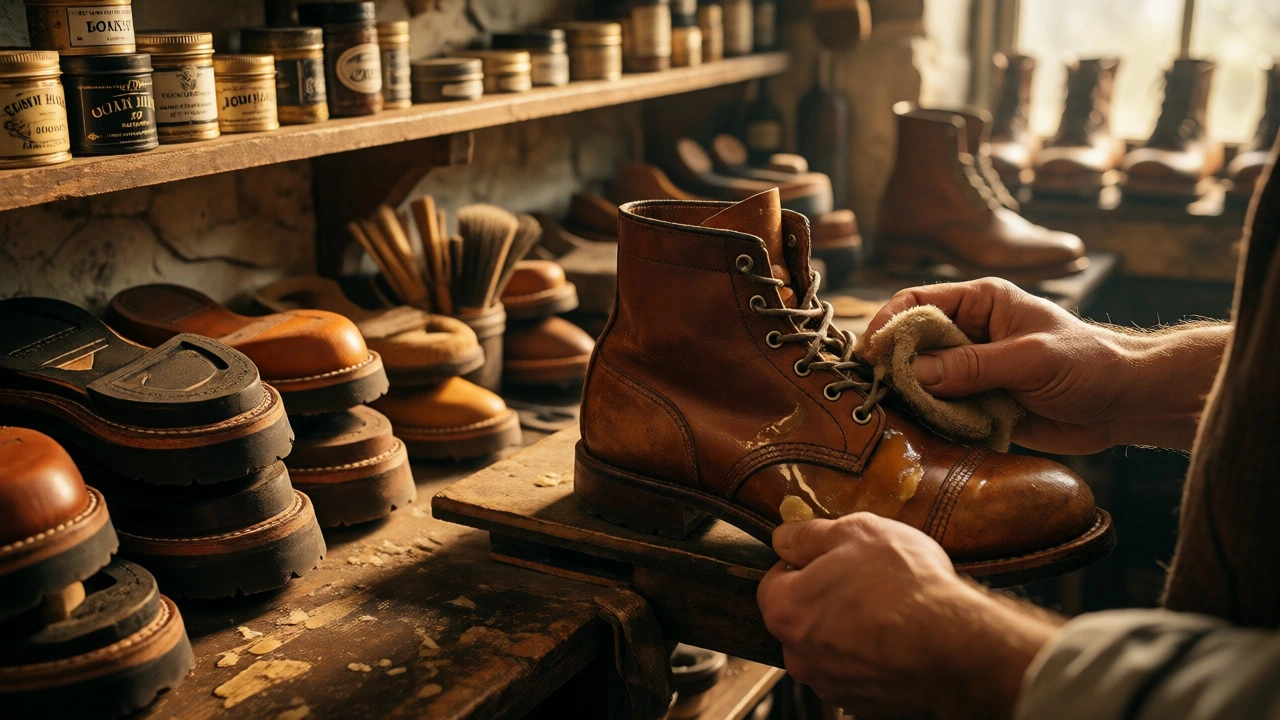
- Conditioning: Use a beeswax-based conditioner, not silicone sprays. Silicone seals moisture in but prevents the leather from breathing, leading to rot from the inside. Brands like Saphir offer medaille d'or creams that nourish without clogging pores.
- Rotation: Never wear the same pair two days in a row. Leather takes 24-48 hours to fully dry out internally. If you wear them daily in November, they stay damp, stretch out, and crack.
Where to Buy Locally: Avoiding Online Returns
Buying online is tempting, especially with free shipping offers. But sizing varies wildly between brands. A UK size 9 in Clarks fits differently than a US size 10 in Red Wing. In Ireland, physical try-ons are crucial because foot swelling occurs more frequently due to long standing periods in service jobs or retail.
Visit specialized independents. Stores like Brown Thomas in Dublin carry a curated selection of European brands known for narrower fits, while Arnotts tends to stock wider lasts suitable for broader feet. If you’re outside major cities, check out local cobblers who also sell stock. They often have access to wholesale channels and can advise on fit based on your specific gait.
The Verdict: Which Brand Wins?
There is no single "best" brand. It depends on your commute and your job.
If you take the Luas or DART and walk short distances, go for Ecco or Clarks. They offer comfort, decent water resistance, and mid-range pricing. They won’t last forever, but they won’t break the bank either.
If you drive but park far away, or if you work in a field or site, invest in John Hanly or Red Wing. The initial pain of paying €250+ is offset by the fact that these shoes will survive four winters instead of one.
For formal occasions, stick to Loake. They strike the right balance between traditional English elegance and durability that can withstand a quick dash to a taxi in the rain. Just remember: keep a spare pair at the office. Changing into clean shoes when you arrive saves your heels from the wet carpet.
Is suede practical for everyday wear in Ireland?
Generally, no. Suede absorbs water instantly and stains easily from road salt. Unless you live in a very dry area or have a car-to-door lifestyle, avoid suede for daily commuting. If you must wear it, use a heavy-duty waterproofing spray monthly and brush it regularly to restore the nap.
Can I wear leather shoes in the Irish summer?
Yes, but choose lighter leathers like unlined calf or perforated designs. Ireland’s summers are mild, rarely exceeding 20°C, so overheating isn’t usually an issue. However, sudden showers are common, so ensure your summer leather is treated or switch to canvas/leather hybrids during June and July.
How much should I budget for good leather shoes in Ireland?
Aim for €150-€250 for a versatile daily pair. Below €100, you’re likely buying corrected grain leather or poor construction that won’t survive the damp. Above €300, you’re paying for brand prestige unless you’re buying bespoke. Remember to budget an extra €50 annually for resoling and conditioning products.
Are Irish-made shoes better than imported ones?
Not necessarily "better," but often more suited to local conditions. Irish makers understand the specific wear patterns caused by our mix of urban cobblestones and rural mud. Imported brands may prioritize aesthetics over the rugged durability needed here. Always check the origin label; some "Irish" brands manufacture overseas now.
What is the best way to dry wet leather shoes?
Never put them near a radiator or fire. Heat cracks leather. Stuff them with newspaper to absorb moisture and maintain shape, then let them air dry at room temperature. This process takes 24 hours. Using shoe trees made of cedar helps absorb odors and moisture simultaneously.