👗 Irish Summer Dress Color & Fabric Advisor
Answer a few quick questions to get personalized recommendations for your next summer outfit in Ireland.
Compatibility Score
Great Choice!
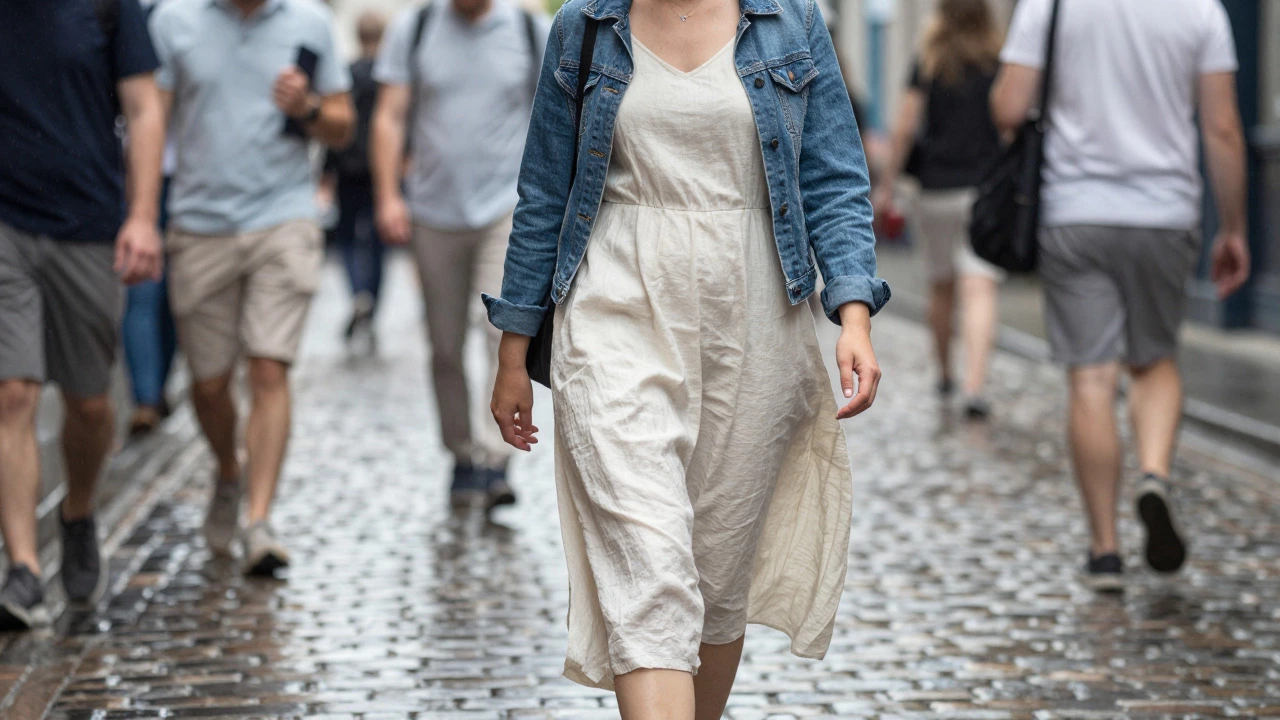
Walking through Grafton Street in July, you notice a distinct shift in the crowd. The heavy coats are gone, replaced by lighter layers and brighter tones. But if you’ve ever shopped for summer wear in Ireland, you know it’s not as simple as grabbing whatever looks pretty. Our weather is unpredictable; one minute it’s a rare sunbeam, the next it’s a drizzle that soaks through your fabric. Choosing the right summer dress colors isn’t just about aesthetics-it’s about visibility, comfort, and practicality in a climate that can change its mind in an hour.
Why Lighter Tones Win in the Irish Climate
Ireland’s summers are mild, but they come with high humidity and frequent cloud cover. Dark colors like navy or black absorb heat, which sounds counterintuitive when we aren’t dealing with scorching temperatures. However, on those rare days when the sun actually breaks through-think late June in Galway or a clear August afternoon in Kilkenny-dark fabrics trap that warmth against your skin. Lighter shades reflect sunlight, keeping you cooler even if the air temperature doesn’t skyrocket.
But there’s another factor: rain. If you’re wearing a dark dress and it gets caught in a sudden shower, the wetness shows up dramatically. Lighter colors, especially pastels and whites, make damp patches less noticeable until they dry. This is a small detail, but if you’ve been stuck under a bus stop awning during a Dublin downpour, you’ll appreciate the discretion.
The Top Color Palettes for Irish Summers
While personal taste varies, certain palettes consistently perform well in our local context. Here’s what works best and why.
- Soft Whites and Creams are versatile options that reflect heat and look elegant in both urban and rural settings. They pair well with denim jackets, which are still common in Ireland due to the cool evenings. Just be mindful of stains; grass and mud are part of life here.
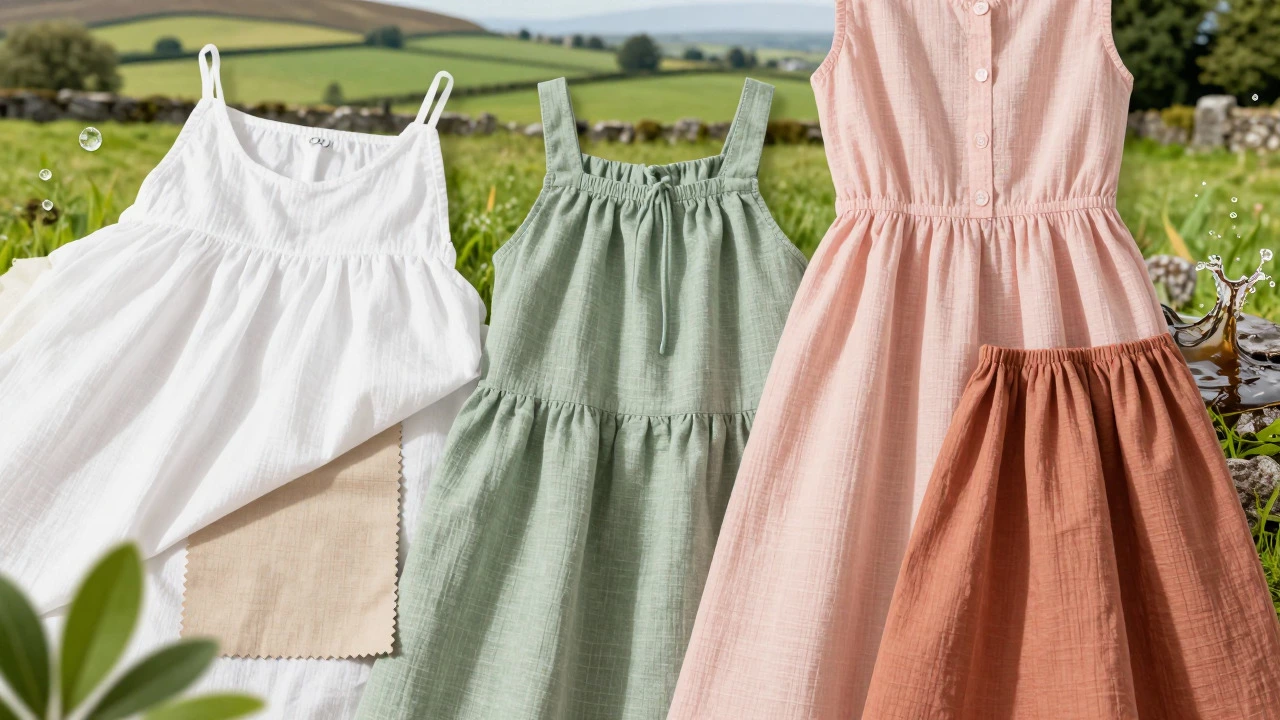
- Pastel Pinks and Blues are popular choices that complement the grey skies without clashing. These tones photograph well against the green landscapes of the West Coast or the stone buildings of the city centers.
- Muted Earth Tones such as beige, sage green, and terracotta blend seamlessly with natural surroundings. They are forgiving if you get splashed by a passing car on a wet road, a frequent occurrence in towns like Limerick or Cork.
- Bright Accents like coral or yellow add energy to otherwise dull days. Use them for accessories or smaller dresses rather than full outfits, as large blocks of bright color can feel overwhelming in overcast conditions.
Fabric Matters More Than Color
You can pick the perfect shade, but if the material is wrong, you’ll regret it. In Ireland, breathability is key. Cotton and linen are your best friends. They wick moisture away from the body, which is crucial when humidity levels rise. Avoid synthetic blends like polyester for daytime wear unless it’s specifically designed for sportswear. Synthetics trap sweat and can feel clammy, especially if you’re walking around the Ha’penny Bridge or exploring the Dingle Peninsula.
Linen wrinkles, yes, but it dries quickly. If you’re planning a day out at Howth Head or a picnic in Phoenix Park, a linen dress will handle the elements better than a delicate silk. Silk is beautiful for evening events in Dublin, but it’s fragile and slow-drying. Save it for indoor occasions where you won’t face the wind off the Liffey.
Practical Tips for Shopping in Ireland
When browsing stores like Dunnes Stores, Penneys, or independent boutiques in Temple Bar, keep these tips in mind:
- Check the lining. Unlined dresses in light colors can be see-through if you’re not careful. Always try them on with the undergarments you plan to wear.
- Consider layering. Even in July, evenings can drop to 15°C (59°F). A lightweight cardigan or a denim jacket should accompany your summer dress. Neutral-colored outerwear pairs easily with most dress colors.
- Look for water-resistant finishes. Some modern cottons have treatments that repel light rain. It’s not waterproof, but it buys you time before you need to find shelter.
- Think about footwear. Sandals are comfortable, but cobbles in old town areas can be slippery when wet. Wedges or low heels offer stability without sacrificing style.
Color Psychology and Local Culture
Irish culture values understated elegance. While tourists might opt for loud prints, locals often lean toward classic, timeless pieces. This doesn’t mean boring; it means investing in quality basics that can be mixed and matched. A well-fitted white dress can be dressed up with jewelry for a night out in Smithfield or dressed down with sneakers for a walk along the seafront in Bray.
There’s also a cultural appreciation for nature-inspired hues. Green, obviously, is iconic, but subtle greens and blues echo the landscape. Wearing colors that harmonize with the environment feels intuitive here. It’s less about standing out and more about feeling at home in your surroundings.
| Color Category | Best For | Pros | Cons |
|---|---|---|---|
| White/Cream | Daytime, casual outings | Reflects heat, versatile | Shows stains easily |
| Pastels | Photos, social events | Photogenic, soft aesthetic | Can look washed out in fog |
| Earth Tones | Rural areas, hiking | Hides dirt, natural fit | Less vibrant |
| Brights | Evenings, festivals | Energetic, stands out | Can clash with grey skies |
Seasonal Transitions: May to September
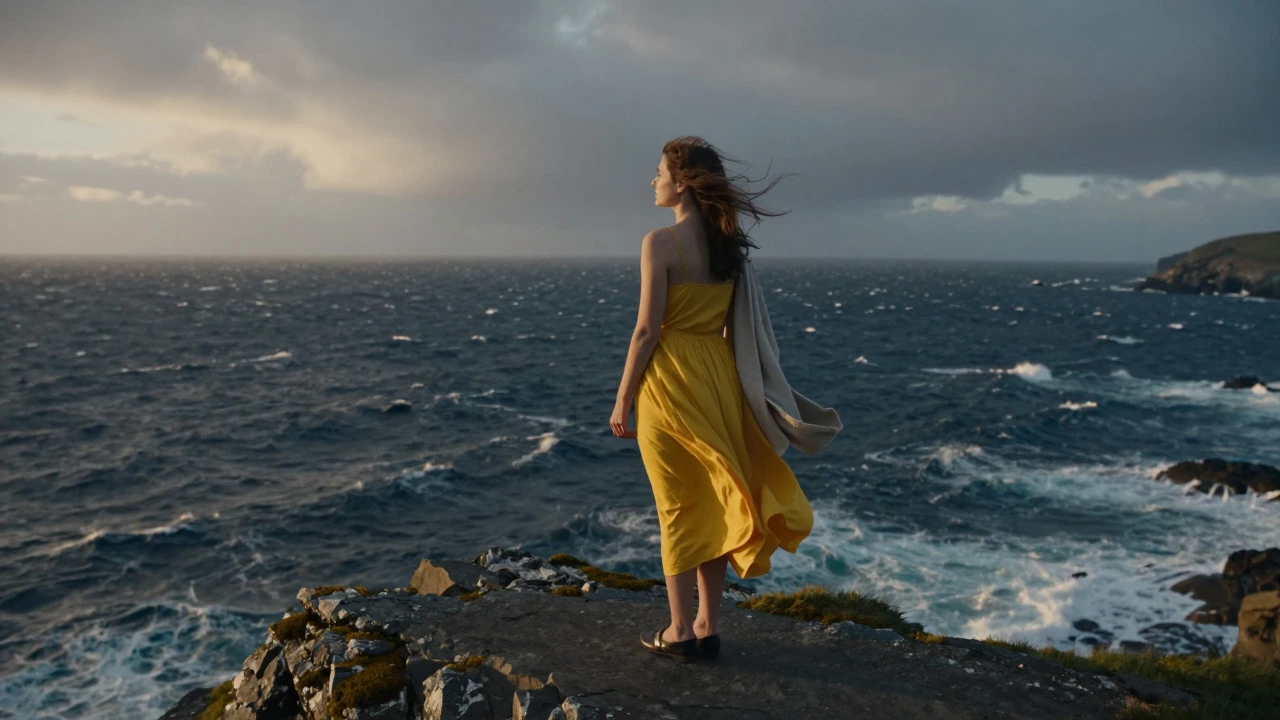
Summer in Ireland is short. May is still chilly, with average highs around 16°C. By July, temperatures peak at 20-22°C, but it rarely feels hot. August starts to cool down again. This means your wardrobe needs flexibility. Start with lighter layers in May, transition to full summer dresses in June and July, and bring back light knits in August. Having a mix of sleeveless and short-sleeved options allows you to adapt to daily fluctuations without needing a completely new outfit each week.
Where to Find Quality Summer Wear in Ireland
You don’t need to travel abroad to find good summer dresses. Local brands like Mulberry Lane and international chains like Zara or H&M carry extensive summer collections. For sustainable options, check out second-hand shops in Dublin’s Northside or online platforms like Depop, where many Irish sellers list pre-loved items. Thrifting is popular here, both for cost savings and environmental reasons. You can often find unique pieces in excellent condition that suit the local aesthetic perfectly.
Is white too risky for summer in Ireland?
Not necessarily. White is stylish and reflects heat. The main risk is staining from mud or rain splashes. If you choose white, opt for slightly textured fabrics like linen that hide minor blemishes better than smooth satin.
What colors should I avoid?
Avoid very dark colors like black or deep navy for daytime wear, as they absorb heat. Also, be cautious with extremely bright neon colors, which can look harsh against the typically grey sky. Stick to softer, muted tones for a more cohesive look.
Do I need a coat in summer?
Yes, always carry a light layer. Even in July, evenings can be cool, and weather changes rapidly. A thin cardigan, trench coat, or denim jacket is essential for comfort and style.
Which fabrics are best for Irish weather?
Cotton and linen are ideal. They are breathable, durable, and dry quickly. Avoid heavy synthetics that trap moisture. If you prefer silk, reserve it for indoor events where weather exposure is minimal.
How do I care for light-colored dresses?
Wash light-colored dresses separately to prevent dye transfer. Use gentle detergents and avoid bleach, which can weaken fibers. Air drying is preferable to machine drying, as it preserves the shape and color integrity of the fabric.