
Sneaker vs. Sportswear: The Analyzer
Use this tool to determine if your footwear qualifies as engineering-grade sportswear or casual streetwear.
1. Analyze Construction
2. Define Purpose
Reference: Irish Buyer's Guide
Walking down Dawson Street on a rainy Tuesday morning in Dublin, you notice everyone wears the same type of shoe. From the commuters waiting at the bus stop outside Easons to the student rushing across Nassau Street, rubber-soled trainers dominate the pavement. But pause for a second: is sneakers a sportswear? In Ireland, where the line between functional gear and daily fashion blurs faster than a cloud over the Wicklow Mountains, the distinction matters for your feet, your wallet, and your wardrobe.
The Technical Definition of Sportswear
To answer this properly, we need to separate marketing buzzwords from engineering reality. When experts classify footwear, they look at construction rather than logo placement. A true piece of Sportswear is designed specifically for physical activity, incorporating attributes like breathability, shock absorption, and ankle stability.
If you pull a pair off the shelf at Brown Thomas or a smaller shop in Temple Bar, you see labels that say "Performance" or "Training." These are engineered for sweat, lateral movement, and impact. If the manufacturer intended the primary use to be jogging in Phoenix Park or gym sessions in Tallaght, they fall squarely under the sportswear umbrella.
However, many consumers confuse aesthetics with function. Just because a shoe looks athletic doesn't mean it meets the physiological demands of sport. We often see people attempting to play football in heavy canvas boots or running marathons in leather Chelsea boots. While stylish, those fail the functional test of specialized equipment built for athletic performance.
Understanding the Sneaker Evolution
Sneakers is a term derived from the silence of rubber soles allowing one to sneak up on others. Originally, they were exclusively indoor gym shoes or track runners. A casual athletic shoe typically featuring a flexible sole made of rubber and upper of leather, canvas, or synthetic material. Over the decades, their role expanded significantly. By the 1980s, hip-hop culture in New York transformed sneakers into street symbols. Now, in Ireland, this trend has matured into something broader known as the athleisure movement.
This shift is visible on almost every high street from Galway to Cork. People are no longer distinguishing sharply between "gym clothes" and "day clothes." A chunky trainer worn yesterday for a walk along the Liffey is acceptable attire for a casual Friday in a Dublin office today. This overlap creates the confusion. Technically, the shoe retains its DNA as a sneaker, but its social function has shifted from sportswear to fashion.
The Irish Context: Weather and Utility
In Ireland, the definition of suitable footwear relies heavily on the elements. When locals speak of "all-weather" gear, they mean protection against sleet, wind, and sudden downpours. Standard mesh running shoes-often marketed strictly as sportswear-fail miserably when caught in a summer gale in Kerry. They get waterlogged quickly, leading to soggy socks and blisters.
Conversely, traditional Irish work boots are durable and waterproof but lack the cushioning required for modern fitness standards. This unique environment births a hybrid category. Many Irish consumers prefer "lifestyle sneakers" that mimic the look of technical footwear but prioritize comfort and durability over competitive performance metrics.
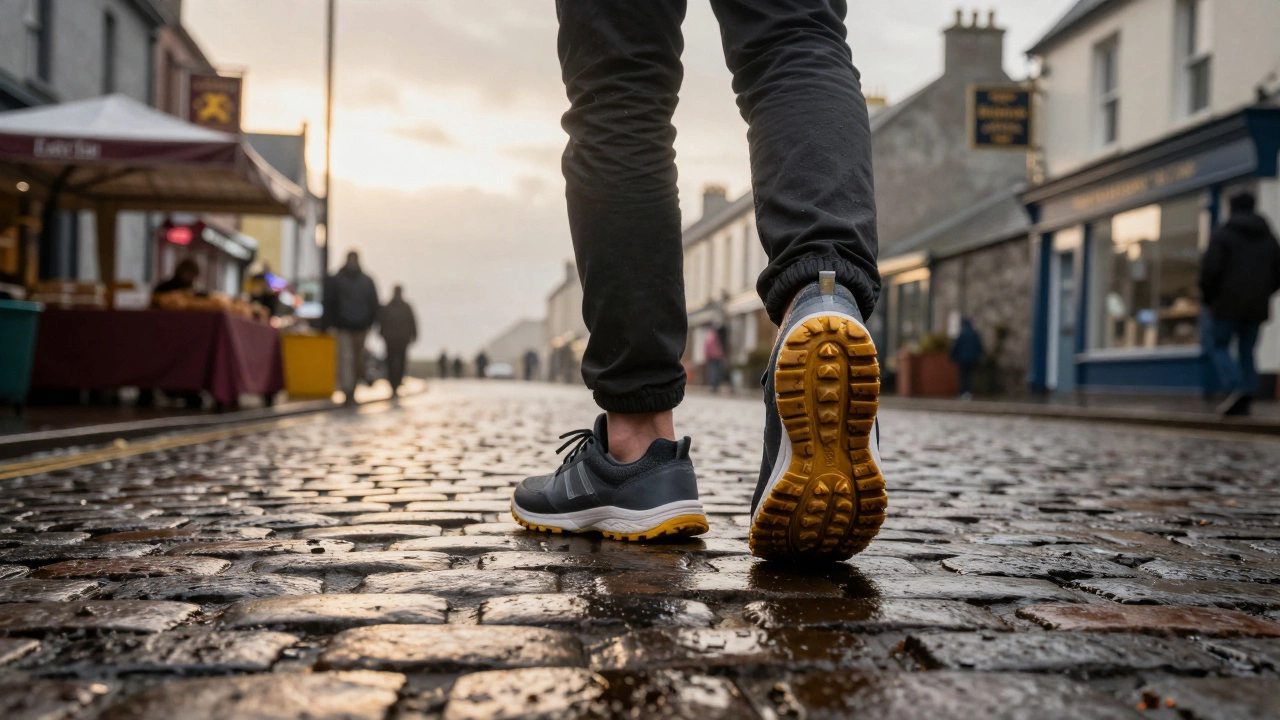
Consider the typical weekend routine in Dingle. You might walk five miles exploring the town center, then join a match at the local club. Here, Rubber Soles are critical for traction on wet cobblestones, yet you don't need professional spike-studded boots unless you are on the pitch. This middle ground is where the debate lives. Is it a sneaker or a boot? Both, depending on how hard you're using it.
Material Science and Construction
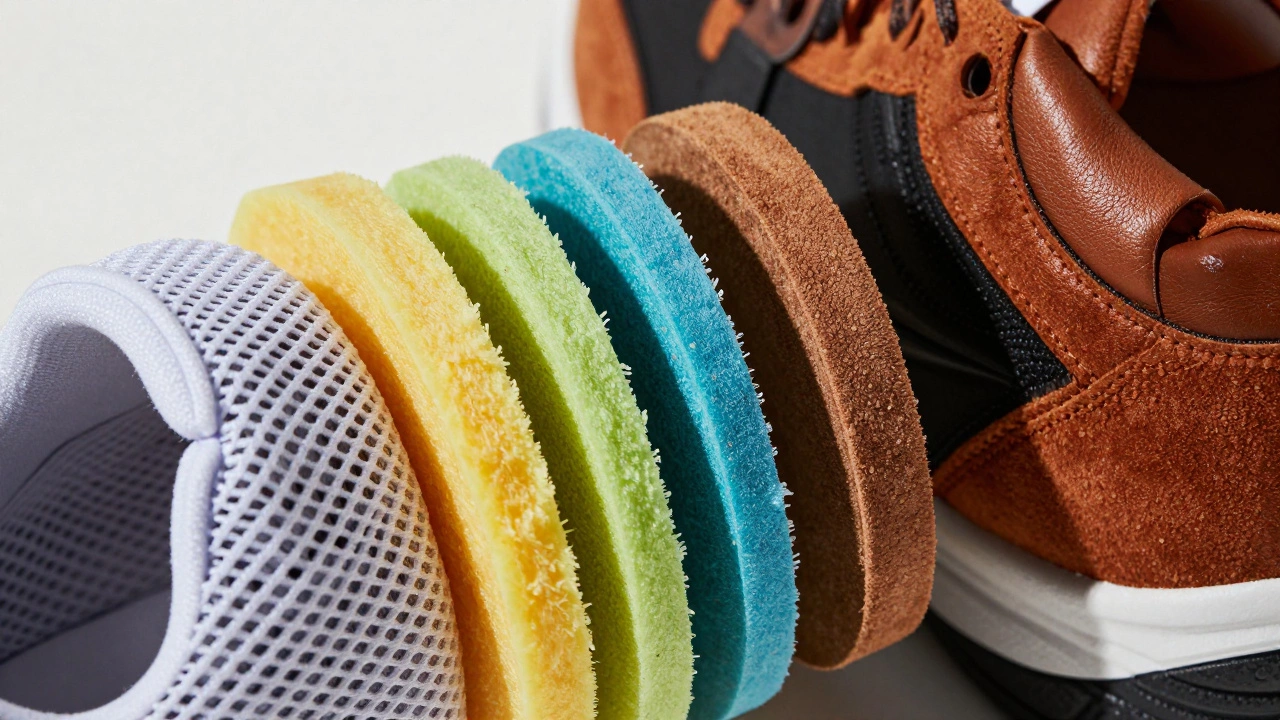
If you want to determine if a shoe qualifies as sportswear by the strictest engineering standards, check the materials used in the manufacturing process. Authentic athletic footwear utilizes specific technologies designed to enhance performance.
- Midsoles: High-performance options use foams like ZoomX or EVA that return energy. If a shoe uses dense, cheap plastic just for height, it isn't built for serious sport.
- Uppers: Breathable meshes or knitted fabrics (like Flyknit) regulate temperature during exertion. Heavy suede or non-breathable leather usually signals a casual intent.
- Insoles: Removable orthotic support suggests consideration for biomechanics found in sports medicine contexts.
When shopping locally, examining the tag or product description reveals these details. A shoe labeled "Daily Run" is sportswear. A shoe labeled "Retro Style" might share the silhouette of a runner but lacks the internal technology to function effectively as such. For example, vintage basketball shoes sold in vintage sections in Grafton Street offer style but may lack the arch support required for an hour of hiking.
Cultural Norms in Ireland
Ireland has a massive sporting culture. Gaelic games are central to national identity. GAA Gear is ubiquitous in every county. Players change out of casual sneakers into spiked boots before hitting the field, though they arrive and leave the venue in casual sneakers. This ritual reinforces the separation: sneakers are the transport; the boots are the tool.
Yet, even here, lines blur. Training drills often happen on hard surfaces or indoor pitches where studs aren't allowed. Players switch to turf shoes or multi-ground cleats that look remarkably similar to standard sneakers. These are technically sportswear because they serve a competitive purpose, yet visually they fit right into the mall crowd.
Comparison: Performance vs. Lifestyle
| Feature | True Sportswear | Casual Sneakers |
|---|---|---|
| Purpose | Athletic performance, injury prevention | Daily comfort, fashion statement |
| Weight | Lightweight (reduces fatigue) | Varies (often heavier materials) |
| Breathability | High (manages heat/sweat) | Low to Medium (style prioritized) |
| Durability | Short lifespan (wears out from stress) | Longer lifespan (daily wear and tear) |
Noticing the difference matters when you are preparing for physical tasks. Using heavy canvas sneakers for a serious run in Kinsale increases the risk of shin splints due to poor shock absorption. On the other hand, wearing lightweight mesh runners for a day in rainy Cork leaves you exposed to the cold.
The Verdict on Classification
So, back to the original question: are sneakers considered sportswear? The short answer is yes, historically and structurally, they originate from athletics. However, in modern retail and consumer culture, they occupy a dual space. If you buy them to train, they are sportswear. If you buy them to complement a weekend outfit while grabbing coffee in Bray, they act as casual footwear.
For the shopper in Ireland, this distinction helps you budget correctly. You shouldn't pay premium prices for "performance technology" if you never lift a leg past walking speed. Conversely, investing in quality sports-grade sneakers provides better long-term comfort for the thousands of steps most of us take on Irish pavements daily.
Troubleshooting Your Choice
Deciding what to buy involves asking three simple questions before handing over your credit card:
- Will I sweat? If yes, ensure the material is breathable mesh, not glued leather.
- Am I moving fast? If yes, you need responsive cushioning (the squishy midsole).
- Will I stand in puddles? If yes (and we know you will), avoid white canvas and opt for treated leather or synthetic composites found in trail models.
This practical approach solves the categorization problem instantly.
Can I wear casual sneakers for gym workouts?
Generally, it is discouraged for high-intensity activities. Casual sneakers often lack lateral support needed for jumping or lifting, increasing injury risk. For light cardio or stretching, they may suffice, but dedicated training shoes are safer.
What is the difference between sneakers and athletic shoes?
The terms are often used interchangeably, but "sneakers" is the broader colloquial term covering both casual and athletic styles. "Athletic shoes" specifically refers to designs optimized for sports performance like running spikes or basketball high-tops.
Do Irish weather conditions affect which sneakers qualify as sportswear?
Yes. While not a technical definition, practical sportswear in Ireland must handle damp conditions. Waterproof features (like Gore-Tex) are often necessary for a shoe to be useful outdoors, pushing some lifestyle sneakers into a sport-like utility role.
Are all running shoes considered sportswear?
Absolutely. Running shoes are engineered specifically to mitigate impact forces during jogging or sprinting. Even if worn casually, their construction categorizes them strictly within the sportswear domain due to their internal mechanics.
How do I maintain the longevity of sportswear sneakers?
Rotate pairs to allow foam to recover. Clean them regularly to prevent material degradation. Avoid washing machines which can warp the glue and mesh. Keep them dry, especially after exposure to Irish rain.