Footwear Suitability Estimator for Long Shifts
Input your weekly routine to calculate your "Feet Fatigue Index" and get a tailored recommendation.
Standing on your feet for twelve hours in a hospital corridor in Dublin or Galway is one thing. Doing it three times a week, with barely any time off in between, is a different beast entirely. If you are working in Ireland's healthcare sector, social care, or logistics, the question isn't just "are 3 x 12-hour shifts hard?" It's "how do I keep my feet from falling off while doing them?" The answer often lies not in your schedule, but in what you're wearing on your feet.
The physical toll of long shifts is compounded by the specific environment of Irish workplaces. Whether you are rushing through the rain-slicked streets of Cork to get to a night shift at University Hospital Limerick, or navigating the sterile, cold floors of a clinic in Belfast, your footwear acts as your primary shock absorber. When the floor is hard and the hours are long, cheap shoes become a liability. They don't just hurt; they slow you down, increase fatigue, and can lead to chronic issues like plantar fasciitis that take months to heal.
The Physical Reality of 12-Hour Stints
To understand why footwear matters so much, you have to look at the mechanics of a 12-hour shift. In many Irish hospitals, nurses and support staff walk an average of 8 to 10 kilometers per shift. That is equivalent to a marathon every few days. Add to that the weight of scrubs, personal protective equipment (PPE), and the constant micro-movements required to lift patients or bend over beds, and your lower legs are under immense strain.
The hardness of the surface plays a huge role. Most modern Irish medical facilities use vinyl or polished concrete flooring. These surfaces offer zero natural cushioning. Every step sends a jolt up through your ankles, knees, and hips. Over twelve hours, this repetitive impact accumulates. Without proper arch support and heel cushioning, your body starts compensating by tightening muscles in your calves and lower back. This is why many workers report feeling exhausted not just mentally, but physically drained by the end of a shift, even if they haven't been running marathons.
Why Standard Sneakers Fail on Long Shifts
A common mistake is assuming that any comfortable-looking sneaker will do. You might think your favorite pair of casual trainers from a high street shop in Grafton Street will suffice. For a few hours, sure. But for twelve hours, they often fail in two critical ways: breathability and structural support.
- Heat Buildup: Irish weather is damp, but inside hospitals, the air conditioning can be intense, yet feet still sweat. Non-breathable synthetics trap moisture, leading to blisters and fungal infections. In a humid climate like Ireland’s, this risk is higher than in drier regions.
- Flattening Cushioning: Many lifestyle sneakers use soft foam that compresses after a few hours of heavy walking. By hour eight, you’re essentially walking on cardboard. Dedicated work shoes use denser, more resilient foams that maintain their shape throughout the day.
- Lack of Grip: Spills happen. Mopped floors in corridors near kitchens or bathrooms can be slippery. Casual sneakers often lack the non-marking, anti-slip outsoles required for safety in clinical environments.
Anatomy of a Good Work Shoe for Irish Conditions
So, what makes a shoe suitable for the grueling pace of Irish healthcare and service jobs? It comes down to a balance of materials and design features that address the specific demands of the job.
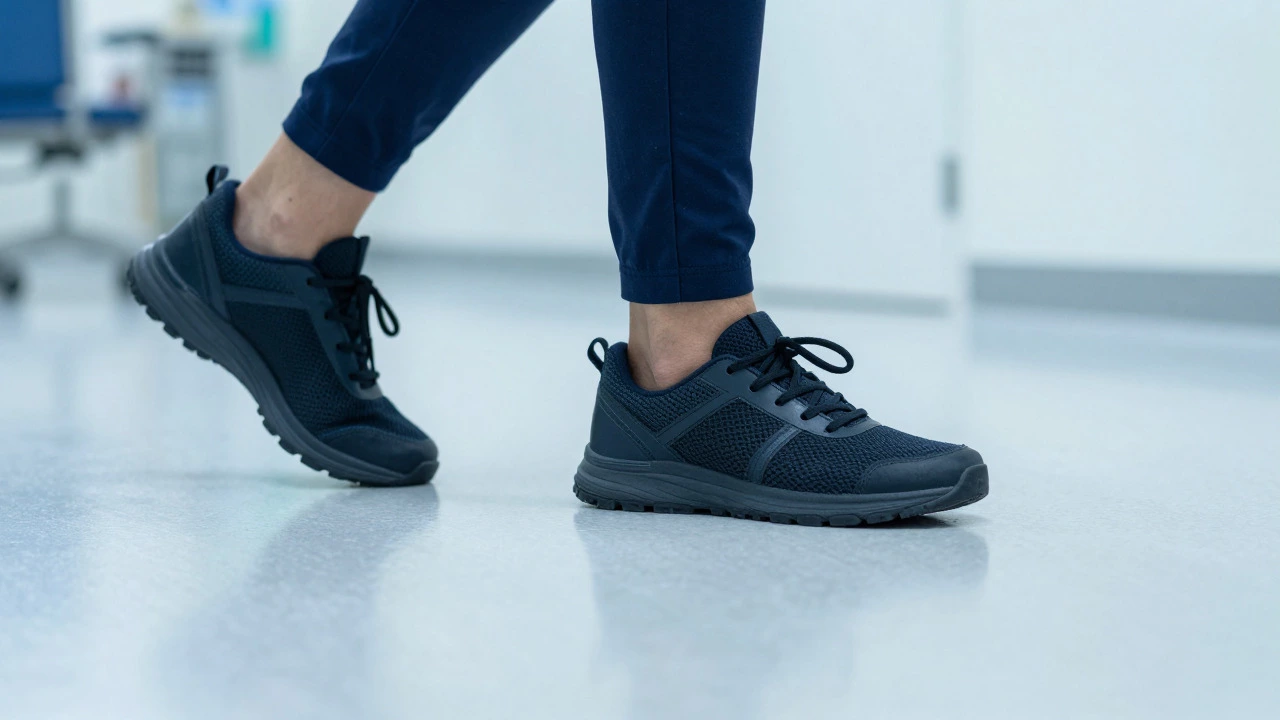
- Breathable Mesh Upper: Look for engineered mesh rather than solid leather. Leather looks professional but traps heat. Mesh allows air circulation, keeping your feet cooler and drier, which is crucial during long stints.
- Memory Foam Insoles: Removable insoles made from memory foam or gel provide immediate cushioning. Even better if they have contoured arch support. Your arches collapse slightly under prolonged standing; external support helps prevent this fatigue.
- Non-Slip Rubber Outsole: The tread pattern matters. Deep lugs grip wet tiles better. In Ireland, where rain is frequent, you need shoes that handle both indoor spills and outdoor puddles without slipping.
- Wide Toe Box: Feet swell when you stand for long periods. A narrow toe box causes pressure points and black toenails. A wider fit gives your toes room to splay naturally, reducing pain.
Local Considerations: Weather and Workplace Culture
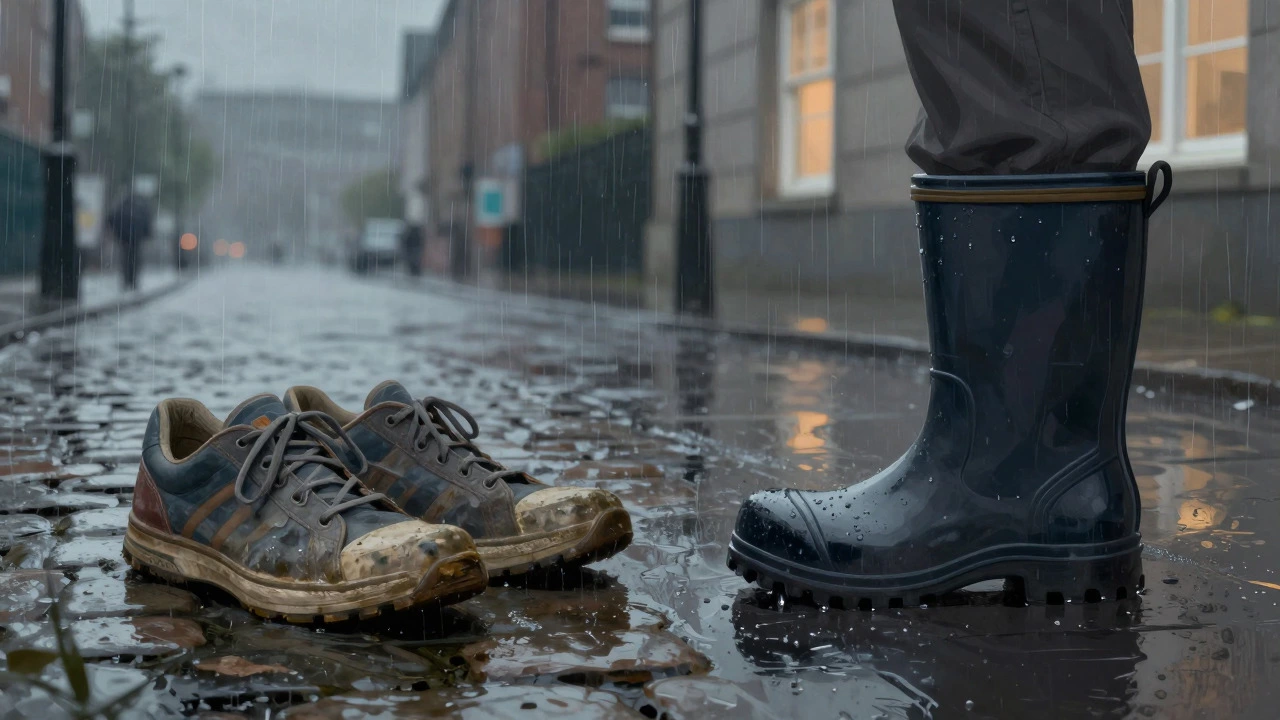
Working in Ireland means dealing with a climate that fluctuates rapidly. One minute you are walking through a drizzle in Dublin, the next you are in a sunbeam. Your shoes need to transition easily. Waterproofing is a nice bonus, but breathability is non-negotiable for indoor use. Many workers in cities like Shannon or Derry opt for shoes with removable liners. This allows them to swap out wet insoles for dry ones if they have a commute involving rain, preventing odor and discomfort.
Culturally, there is also a shift in workplace expectations. While traditional nursing uniforms were strict about white shoes, modern Irish healthcare settings are increasingly accepting of dark-colored, clean, and functional footwear. This gives you more options. You no longer have to sacrifice style for function. Brands known for athletic performance are being adapted for professional wear, offering sleek designs that look appropriate in a boardroom or a break room.
Comparing Popular Options for Long Shifts
When shopping for work shoes in Ireland, you’ll encounter several categories. Here is how they stack up for 12-hour shifts:
| Type | Comfort Level (1-10) | Breathability | Durability | Best For |
|---|---|---|---|---|
| Casual Sneakers | 6 | Moderate | Low-Medium | Short shifts, light duty |
| Traditional Clogs | 7 | Low | High | Food service, kitchen work |
| Performance Trainers | 9 | High | Medium | Nursing, active roles |
| Orthopedic Shoes | 8 | Moderate | High | Existing foot conditions |
Performance trainers generally win for most healthcare workers because they offer the best blend of cushioning and flexibility. However, if you have pre-existing conditions like flat feet or severe plantar fasciitis, orthopedic-specific shoes might be worth the investment despite their bulkier look.
Tips for Extending Shoe Life and Comfort
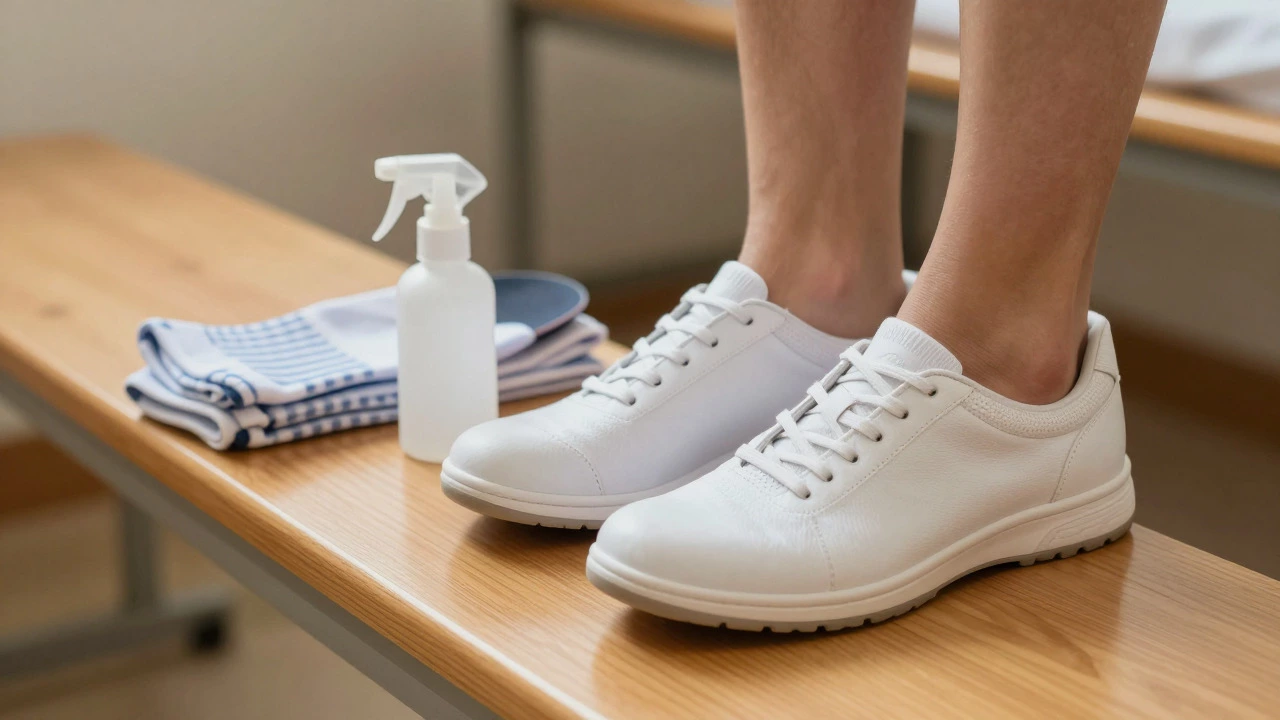
Even the best shoes wear out. To make them last through multiple 12-hour shifts a week, follow these practical tips:
- Rotate Your Pairs: Buy two pairs of identical shoes. Letting the foam recover for 24 hours between uses prevents permanent compression. This is a game-changer for longevity.
- Replace Insoles Regularly: The factory insole is the first part to degrade. Replacing them every 3-6 months restores the cushioning feel without buying new shoes.
- Break Them In Gradually: Don’t wear brand-new shoes for a full 12-hour shift. Start with 4-5 hours to identify hot spots before committing to a full day.
- Use Moisture-Wicking Socks: Cotton socks hold moisture. Merino wool or synthetic blends wick sweat away from your skin, reducing blister risk significantly.
FAQ
What is the hardest part of working 3 x 12-hour shifts?
The cumulative physical fatigue, particularly in the lower back and feet, combined with the mental load of managing patient care for extended periods. Proper footwear mitigates the physical aspect, allowing you to focus more on the mental side.
Do I need waterproof shoes for work in Ireland?
Not necessarily for indoor work, but it depends on your commute. If you walk to work in rainy areas like Westport or Sligo, water-resistant shoes or quick-drying materials are highly recommended to keep your feet dry and comfortable.
How often should I replace my work shoes?
For heavy use like 12-hour shifts, replace the entire shoe every 6-12 months. However, replacing the insoles every 3-6 months can extend the life of the outer shoe and maintain comfort levels.
Are clogs better than sneakers for long shifts?
Clogs are excellent for stability and ease of cleaning, making them popular in food service. However, for healthcare workers who walk long distances, sneakers or performance trainers usually offer better cushioning and shock absorption for the feet and knees.
Can I claim work shoes on tax in Ireland?
Generally, no, unless they are specialized safety boots required by your employer (e.g., steel-toe). Standard comfortable work shoes are usually considered a personal expense. Check with your HR department or Revenue for specific industry exceptions.