Activewear vs. Athleisure Selector
Not sure which type of clothing fits your needs? Answer these three quick questions to get a personalized recommendation tailored for the Irish climate and lifestyle.
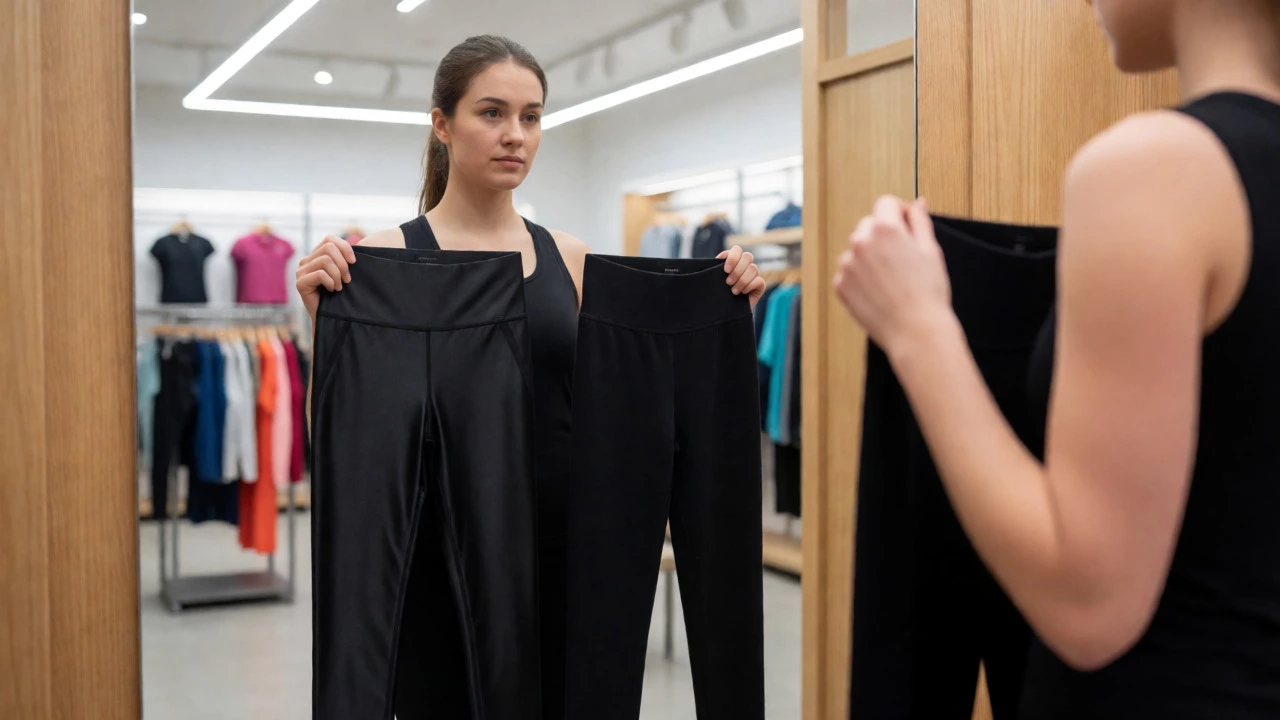
You’ve probably stood in the changing rooms of a Penneys or a Brown Thomas, holding two identical-looking pairs of leggings and wondering which one to buy. One tag says "performance," the other says "lifestyle." The price is similar. The look is nearly the same. So, what’s the actual difference between activewear and athleisure? It’s not just marketing fluff. In Ireland, where the weather can shift from drizzle to sunshine in ten minutes and our social lives often blend with our workout routines, knowing the distinction saves you money and keeps you comfortable.
The core difference lies in function versus fashion. Activewear is engineered for movement; it’s technical gear designed to handle sweat, stretch, and impact. Athleisure is clothing inspired by sports but designed for daily life-coffee runs, pub meets, or office casual Fridays. While they overlap visually, their fabrics, cuts, and purposes are distinct. Let’s break down how to tell them apart and why it matters when you’re shopping on Grafton Street or browsing online from your living room in Dublin.
Understanding the Core Definitions
To make smart choices, you need to know what these terms actually mean. Confusing them leads to buying $80 yoga pants that fall apart at the gym, or wearing stiff running shorts to a nice dinner in Galway.
Activewear is clothing specifically designed for physical exercise and athletic performance. Think of it as tools for your body. Its primary job is to help you move better, stay dry, and avoid injury. Materials are chosen for moisture-wicking properties, breathability, and durability under stress. If you’re training for the Dublin City Marathon or hitting the weights at PureGym, this is what you want.
Athleisure is a trend of wearing athletic-inspired clothing outside of the gym setting. It merges "athletic" and "leisure." The goal here is comfort and style. You might wear joggers to meet friends for brunch in Cork or a hoodie to work if your office has a relaxed dress code. The fabric prioritizes softness and drape over high-performance technical features.
| Feature | Activewear | Athleisure |
|---|---|---|
| Primary Purpose | Performance & Exercise | Comfort & Style |
| Fabric Focus | Moisture-wicking, quick-dry, stretchy | Soft cotton blends, fleece, brushed finishes |
| Fit | Compression, ergonomic seams, freedom of motion | Relaxed, oversized, trendy silhouettes |
| Durability | High resistance to friction and washing | Moderate; prone to pilling or losing shape |
| Best For | Gym sessions, running, hiking | Casual outings, travel, lounging |
Fabric Technology: Why Your Gym Kit Feels Different
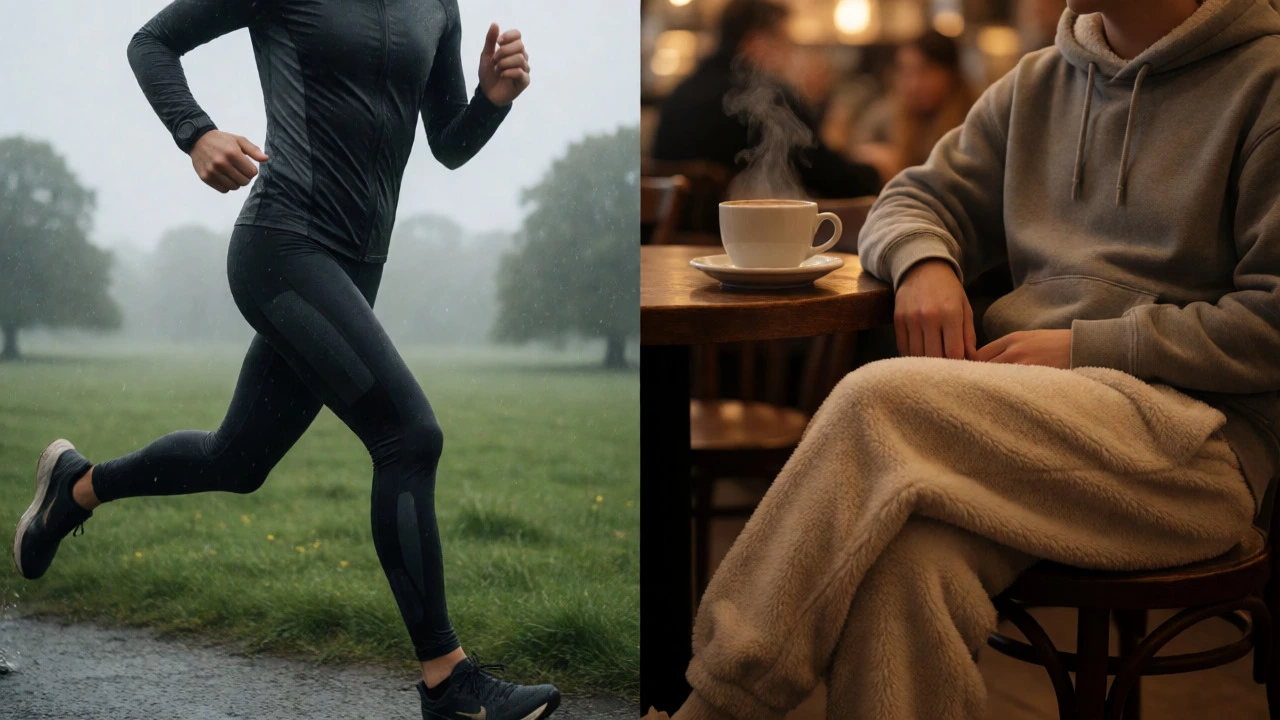
If you’ve ever tried to run in heavy cotton sweatpants during an Irish winter morning, you know the misery of wet fabric clinging to your legs. That’s why activewear relies on synthetic fibers like polyester, nylon, and elastane. These materials pull sweat away from your skin (wicking) and allow air to circulate. Brands like Nike Dri-FIT or Adidas Climacool use specific weaves to maximize this effect. When you’re sweating through a HIIT class in a busy Belfast studio, you don’t want fabric that holds water.
Athleisure, conversely, often leans into natural fibers or softer synthetics. Cotton-rich blends feel great against the skin but absorb moisture rather than repelling it. This makes them perfect for a walk along the Cliffs of Moher where you’re moving slowly and enjoying the view, but terrible for a spin class. Many modern athleisure pieces use "brushed" fabrics-think fleece-lined joggers-which add warmth and softness but reduce breathability. In Ireland’s damp climate, this trade-off is crucial. Wearing non-breathable athleisure while doing intense cardio can lead to overheating and chafing.
Design and Fit: Function Dictates Form
Look closely at the seams. Activewear often features flatlock stitching to prevent chafing during repetitive movements. You’ll see gussets (diamond-shaped inserts) in the crotch area of shorts and leggings to allow full range of motion without ripping. The fit is usually snug or compressive to support muscles and reduce drag. If you’re playing camogie or hurling, loose fabric gets in the way.
Athleisure design is looser and more forgiving. Hoods are larger for style, pockets are deeper for phones and wallets, and hems may be cropped or tapered for aesthetic appeal rather than aerodynamics. You might notice decorative elements like color-blocking or bold logos that serve no functional purpose. The cut is meant to look good while sitting still or walking casually. In Dublin’s tech offices, where dress codes have relaxed significantly since 2020, tailored athleisure blazers paired with sleek joggers have become a standard uniform. This wouldn’t fly in a traditional corporate bank in London, but here, it’s accepted-and even fashionable.
Shopping Smart in the Irish Market
Ireland has a unique retail landscape. You have global giants like JD Sports and Foot Locker dominating city centers, alongside heritage retailers like Brown Thomas and Arnotts. There’s also a growing scene of local sustainable brands emerging from areas like Dublin’s Liberties and Cork’s Docklands.
When shopping for activewear in Ireland, prioritize functionality for our specific weather conditions. Rain is frequent, so look for water-resistant jackets that are still breathable. A windbreaker that traps heat will leave you sweaty on a mild day, while a non-waterproof layer won’t protect you in a sudden downpour near Phoenix Park. Brands like Castore, founded in Manchester but hugely popular in Ireland, offer technical layers that handle this variability well.
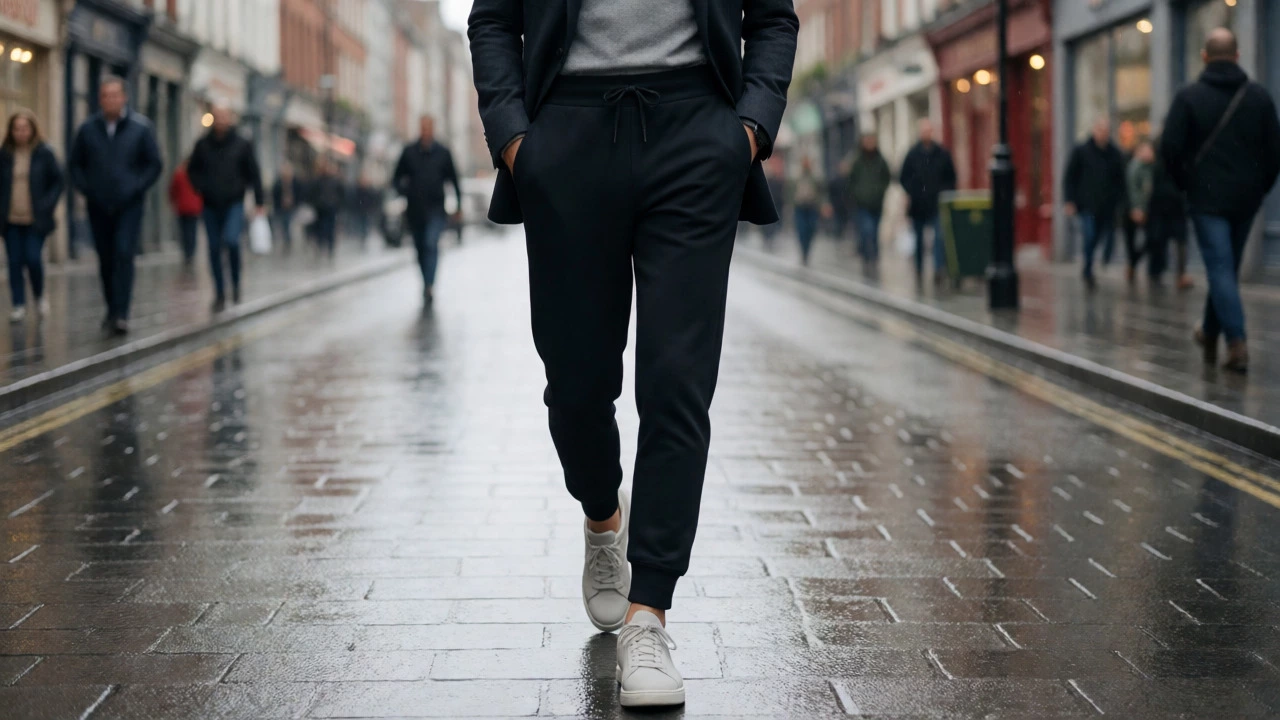
For athleisure, consider versatility. Since many Irish people commute via bus, Luas, or train, clothing needs to transition seamlessly from home to transit to work. Look for wrinkle-resistant fabrics and neutral colors that mix easily. Avoid pure white sneakers if you’re navigating muddy paths after rain-they’ll ruin quickly. Darker tones or treated leathers hold up better against the grime of urban Irish streets.
Cultural Context: The Rise of the 'Gym-to-Brunch' Culture
In Ireland, fitness culture has exploded over the last decade. From the proliferation of boutique studios in Ranelagh to community parkrun events across the country, exercise is social. This shift blurred the lines between gym gear and everyday clothes. It’s common to see people heading straight from a CrossFit box in Smithfield to a café for avocado toast, still in their kit.
This is where athleisure shines. It allows you to maintain a polished appearance without sacrificing comfort. However, there’s a social etiquette to consider. Wearing heavily worn, stained activewear to a nice restaurant might be frowned upon, whereas clean, stylish athleisure fits right in. The key is intentionality. If you’re wearing leggings to a pub, ensure they are opaque and paired with a structured top or jacket. If you’re wearing running shorts, keep it casual.
Sustainability and Care: Making Your Gear Last
Fast fashion has flooded the market with cheap activewear and athleisure, but quality varies wildly. Cheap synthetic activewear often sheds microplastics in the wash and loses elasticity after a few months. High-quality technical gear lasts years if cared for properly.
To extend the life of your activewear, wash it inside out in cold water. Avoid fabric softeners, which coat technical fibers and destroy their wicking ability. Hang dry instead of using a tumble dryer, especially for elasticated waistbands that can degrade under high heat. For athleisure, especially cotton blends, wash gently to prevent shrinking and fading. Given the cost of living pressures in Ireland, investing in fewer, higher-quality pieces is often smarter than buying multiple cheap items that fail quickly.
Final Verdict: Which Do You Need?
Ask yourself where you’ll spend most of your time in this garment. If you’re breaking a sweat, choose activewear. If you’re sipping coffee, choose athleisure. Don’t try to force one to do both jobs perfectly. A dedicated pair of running tights costs less than a medical bill for chafing injuries caused by inappropriate clothing. Similarly, wearing stiff compression gear to a wedding looks odd and feels uncomfortable.
In Ireland, the hybrid approach works best. Keep a capsule wardrobe of versatile athleisure for daily life and a separate set of high-performance activewear for workouts. This ensures you’re always dressed appropriately for the task at hand, whether that’s scaling Croagh Patrick or meeting clients in a Dublin boardroom.
Can I wear athleisure to the gym?
You can, but it depends on the intensity of your workout. Light yoga or stretching might be fine in soft joggers, but for high-intensity interval training (HIIT) or running, athleisure fabrics often lack the necessary moisture-wicking and support. They may become heavy with sweat and cause discomfort or chafing. Dedicated activewear is engineered to handle these stresses.
Is activewear suitable for everyday wear in Ireland?
Yes, provided it’s styled correctly. Modern activewear designs are increasingly sleek and minimalist. Pairing technical leggings with a long tunic or a denim jacket can create a casual, put-together look suitable for grocery runs or casual meetups. However, overly bright neon colors or visible branding might feel too sporty for some social settings.
Why is my expensive activewear smelling bad after one wear?
Synthetic fabrics used in activewear tend to trap bacteria more than natural fibers. If you don’t wash them promptly after sweating, odors develop quickly. Using specialized sports detergents or adding vinegar to the rinse cycle can help. Also, ensure you’re drying them completely before storing to prevent mildew.
What are the best Irish brands for athleisure?
While global brands dominate, several Irish designers focus on sustainable athleisure. Brands like Sweaty Betty (UK-based but huge in Ireland), Lululemon, and local eco-conscious labels such as Enda or Rinse offer high-quality options. Check out independent boutiques in Dublin’s Temple Bar or Cork’s Grand Parade for unique, locally-made pieces.
How does the Irish weather affect my choice between activewear and athleisure?
Ireland’s damp, cool climate demands layering. Activewear should include base layers that manage moisture even in humid conditions. Athleisure should focus on wind-resistant outerwear. Avoid heavy cotton in rainy weather as it takes forever to dry. Technical merino wool blends are excellent for both categories in Ireland due to their temperature-regulating properties.