
Nurse Footwear Calculator
Compare Your Footwear Options
Calculate the real-world benefits of Crocs versus traditional hospital shoes based on Irish healthcare conditions.
Results
In Ireland, where hospital corridors stretch for miles under fluorescent lights and nurses clock 12-hour shifts on concrete floors, the sight of Crocs has become as common as tea breaks in the staff room. You’ll spot them at Cork University Hospital, in the emergency wing of Tallaght Hospital, and even in the quiet corridors of rural clinics in County Donegal. But why? It’s not a trend. It’s necessity dressed in foam.
Comfort That Survives the Irish Shift
Irish nurses don’t just walk during their shifts-they run. From the maternity ward in Galway to the acute admissions unit in Beaumont Hospital, the pace is relentless. A typical shift involves 10,000 to 15,000 steps, often on hard tile or linoleum, with little time to sit. Traditional hospital shoes-stiff, heavy, and poorly cushioned-cause foot pain, back strain, and even long-term injury. Crocs, by contrast, are lightweight, cushioned, and molded to the foot. They don’t need breaking in. They don’t pinch. They don’t make your feet scream by 10 a.m.One nurse in Limerick, who’s worked on the medical ward for 14 years, told me: “I used to buy expensive orthopedic shoes every six months. They’d wear out faster than my patience. Then I tried Crocs. I’ve worn the same pair for three years. No blisters. No arch collapse. Just quiet feet.”
Hygiene and Easy Cleaning in a High-Risk Environment
In Ireland’s public health system, infection control is non-negotiable. With flu season hitting hard every winter and norovirus outbreaks common in nursing homes across Wicklow and Kildare, shoes can’t just be comfortable-they must be cleanable. Crocs are made from Croslite™, a proprietary foam that doesn’t absorb liquids. Blood, urine, IV fluids, vomit-it all wipes off with a damp cloth or a quick rinse under the sink. No more scrubbing leather that stains or soaks in odors. No more replacing shoes every few months because they’ve turned into a biohazard.At Our Lady of Lourdes Hospital in Drogheda, housekeeping staff now supply disinfectant wipes specifically for footwear. Nurses keep a small bottle in their locker. “I wipe mine down between patients,” says a nurse from Sligo. “I’ve seen shoes that looked like they’d been through a war. Crocs? They look new after five minutes.”
Non-Slip Soles for Wet Irish Floors
Rain isn’t just weather in Ireland-it’s a constant. Nurses often walk from damp parking lots into wet corridors, through spilled fluids, and across floors cleaned with disinfectant that leaves surfaces slicker than a Dublin pub floor after closing time. Many Crocs models, especially the popular “Nurse” and “Work” lines, come with slip-resistant soles tested to ASTM F2913 standards. That’s the same standard used by the HSE for hospital footwear procurement.At St. James’s Hospital in Dublin, a 2023 internal safety review found a 37% drop in slip-and-fall incidents among nursing staff after switching to approved non-slip footwear. Crocs were among the top three models recommended. “We used to have three falls a week on the geriatric ward,” said the head of nursing. “After we mandated slip-resistant shoes, we had one in six months.”

Support for Long Hours-Without the Price Tag
Irish nurses aren’t paid like corporate lawyers. Many work multiple jobs to make ends meet. Buying expensive orthopedic footwear every few months isn’t feasible. A pair of Crocs costs between €45 and €65. They last 18 to 24 months with daily use. Compare that to branded hospital shoes that cost €120 and wear out in eight months. The math is simple: Crocs save money, reduce absenteeism due to foot pain, and keep nurses on their feet longer.At the National Nurses’ Union in Ireland, a 2024 survey of 1,200 members showed that 68% of respondents wore Crocs as their primary work shoe. Of those, 89% said their foot pain had decreased significantly. “It’s not about fashion,” said one union rep. “It’s about keeping people healthy enough to keep working.”
Customization and Identity in a High-Stress Job
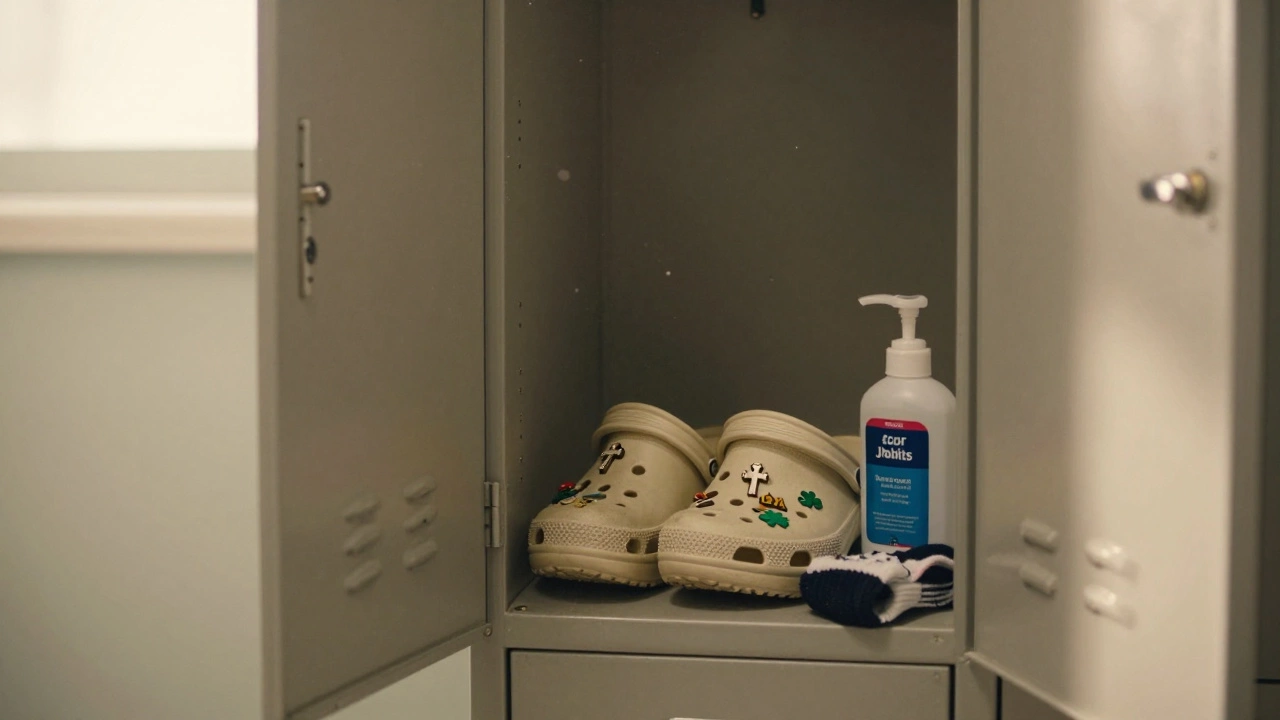
Crocs aren’t just functional-they’re personal. Nurses in Ireland decorate their shoes with Jibbitz™ charms: tiny plastic icons that reflect their personality, humor, or ward culture. You’ll see a leprechaun on a shoe from a nurse in Kilkenny, a St. Brigid’s cross from a midwife in Waterford, or a tiny shamrock from a nurse who works the night shift in Belfast. Some wear charms with the names of patients they’ve cared for. Others have one shaped like a cup of tea.At the Royal College of Surgeons in Ireland, a nursing student told me: “My Crocs have a heart with ‘Nurse Niamh’ on it. My mum gave it to me the day I started. I wear them every shift. It’s my anchor.”
Why Other Shoes Don’t Cut It in Ireland
You might think, “Why not just buy expensive nursing shoes?” The answer is practicality. Brands like Dansko, Birkenstock, or even Irish-made options like Clarks’ work line have their merits-but they’re heavier, harder to clean, and often require break-in periods that leave new nurses in agony. Dansko’s clogs, for example, have leather uppers that trap moisture in Ireland’s damp climate. Birkenstocks need time to mold to your foot-and most nurses don’t have time to wait.Plus, many Irish hospitals have strict uniform policies. Crocs meet the criteria: closed toe, non-slip, easy to disinfect, and no visible logos. They’re approved by the HSE’s occupational health guidelines. Other brands? Not always.
The Real Reason Nurses Wear Crocs
It’s not marketing. It’s not a fad. It’s not even really about the brand. It’s about survival. Nurses in Ireland work in a system stretched thin by staffing shortages, long hours, and underfunded infrastructure. Their feet carry the weight of that strain. Crocs aren’t a luxury-they’re a tool. Like stethoscopes and gloves, they’re part of the uniform because they work.When you see a nurse in Crocs walking briskly down the corridor of a Dublin hospital, don’t think “trend.” Think resilience. Think endurance. Think someone who’s been on their feet since 6 a.m. and still has four more hours to go. And yes-those foam clogs are the reason they’re still standing.
Are Crocs allowed in Irish hospitals?
Yes, most Irish hospitals permit Crocs as long as they meet safety standards: closed toe, non-slip soles, and easy-to-clean material. Models like the Crocs Specialist Work Shoe and Crocs Nurse are specifically designed and approved for healthcare use. Always check your hospital’s uniform policy, but Crocs are widely accepted across the HSE and private facilities.
Do Crocs provide enough arch support for long shifts?
The standard Crocs foam offers cushioning but minimal arch support. However, the Crocs Work and Nurse lines include built-in contoured footbeds designed for prolonged standing. Many nurses add over-the-counter orthotic inserts for extra support, especially if they have flat feet or plantar fasciitis. In Ireland, pharmacies like Boots or Watsons sell affordable inserts compatible with Crocs.
Can you wear Crocs in winter in Ireland?
Yes. Crocs makes insulated and lined versions for colder months, like the Crocs Classic Clog with Fleece Lining. Nurses in rural areas like County Mayo or Donegal often wear these during winter shifts. Some pair them with thermal socks. Others switch to waterproof work boots during extreme weather, but Crocs remain the go-to for indoor use even in December.
Why don’t all nurses wear Crocs?
Some prefer traditional clogs like Dansko for their higher heel support, while others have personal style preferences or hospital policies that restrict certain footwear. A few nurses find Crocs too casual-looking for their ward culture. But in Ireland’s frontline healthcare, the majority have switched-not because they’re trendy, but because their feet demanded it.
Where can I buy nurse-approved Crocs in Ireland?
You can find Crocs at major retailers like Dunnes Stores, Schuh, and JD Sports across Dublin, Cork, and Galway. Many hospitals also have staff discount programs through partnerships with Crocs Ireland. Online, Crocs.ie offers free delivery and returns, which is handy for nurses working irregular hours.