Sportswear Material Calculator
Choose Your Conditions
Recommended Material
When you think of American sportswear, you picture gym shorts in Brooklyn, running shoes in Chicago, or yoga pants in LA. But the roots of modern activewear? They didn’t grow in a Silicon Valley lab or a New York factory. They were shaped by something far quieter, far more enduring: the practical needs of people living in Ireland’s wet, windy climate. And yes - the Irish played a quiet, critical role in how American sportswear became what it is today.
The Real Origin of Sportswear: Function Over Fashion
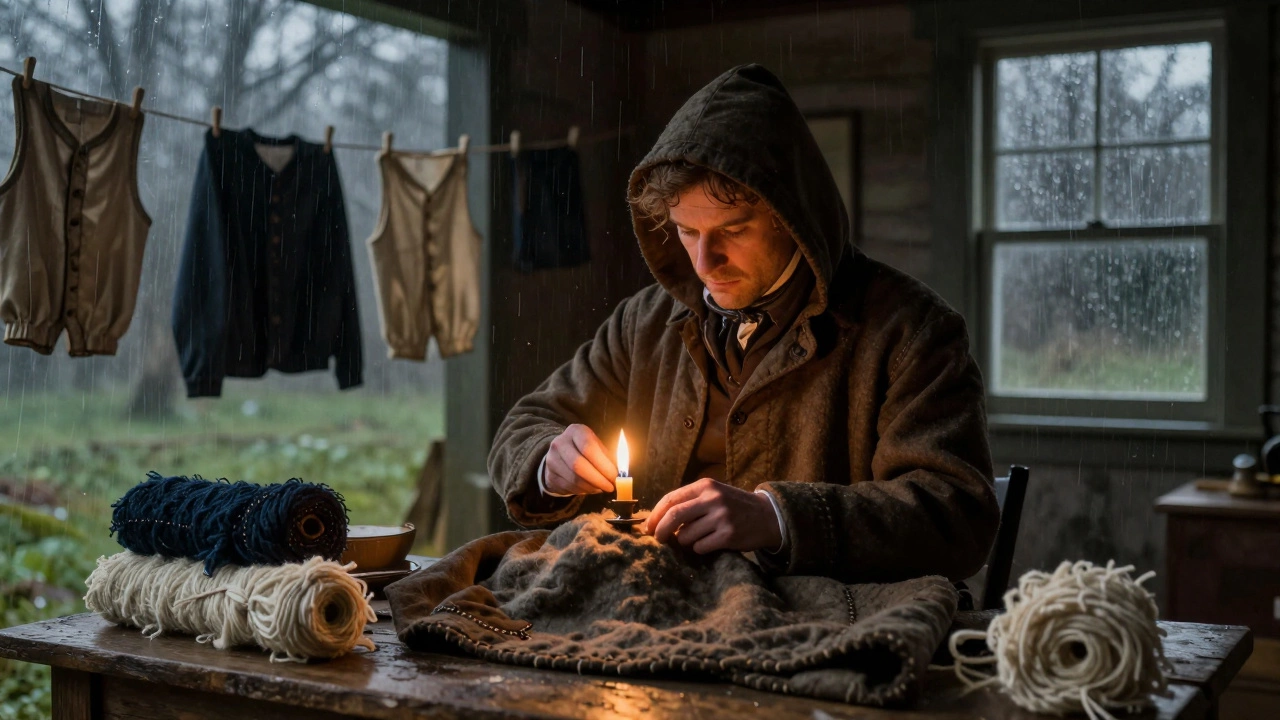
American sportswear didn’t start with Nike or Adidas. It started with farmers in rural Vermont, factory workers in Massachusetts, and sailors on the Atlantic coast who needed clothes that could handle rain, sweat, and cold without falling apart. But the fabric that made this possible? It came from wool mills in County Donegal and cotton-spinning factories in Belfast that exported durable, breathable textiles to the U.S. in the late 1800s.
Irish wool wasn’t just warm - it was naturally water-resistant. When Irish immigrants brought their weaving skills to New England, they didn’t just bring recipes for soda bread. They brought the knowledge of how to spin wool that didn’t soak up moisture like cotton. That’s why early baseball uniforms, hiking gear, and even early track suits in the U.S. used blends of Irish wool and American cotton. Companies like Filson and L.L.Bean, now icons of American outdoor gear, sourced their first wool blends from Donegal mills as early as 1892.
Why Ireland’s Climate Shaped American Design
Think about it: Ireland gets more rain in a week than most U.S. states get in a month. The west coast - Galway, Mayo, Clare - is famous for sudden downpours and gales that strip leaves off trees. People there didn’t wear sportswear because it was trendy. They wore it because it kept them dry while walking to the market, tending sheep, or rowing a boat to the next village.
That practical mindset crossed the Atlantic. Irish-American women in Boston and Philadelphia started sewing waterproof jackets with hoods for their kids playing in New England’s muddy fields. These weren’t branded products. They were homemade, stitched with care, and passed down. By the 1930s, companies like Brooks Brothers began copying these designs - adding elastic cuffs, adjustable hoods, and reinforced seams - and selling them as ‘athletic wear’.
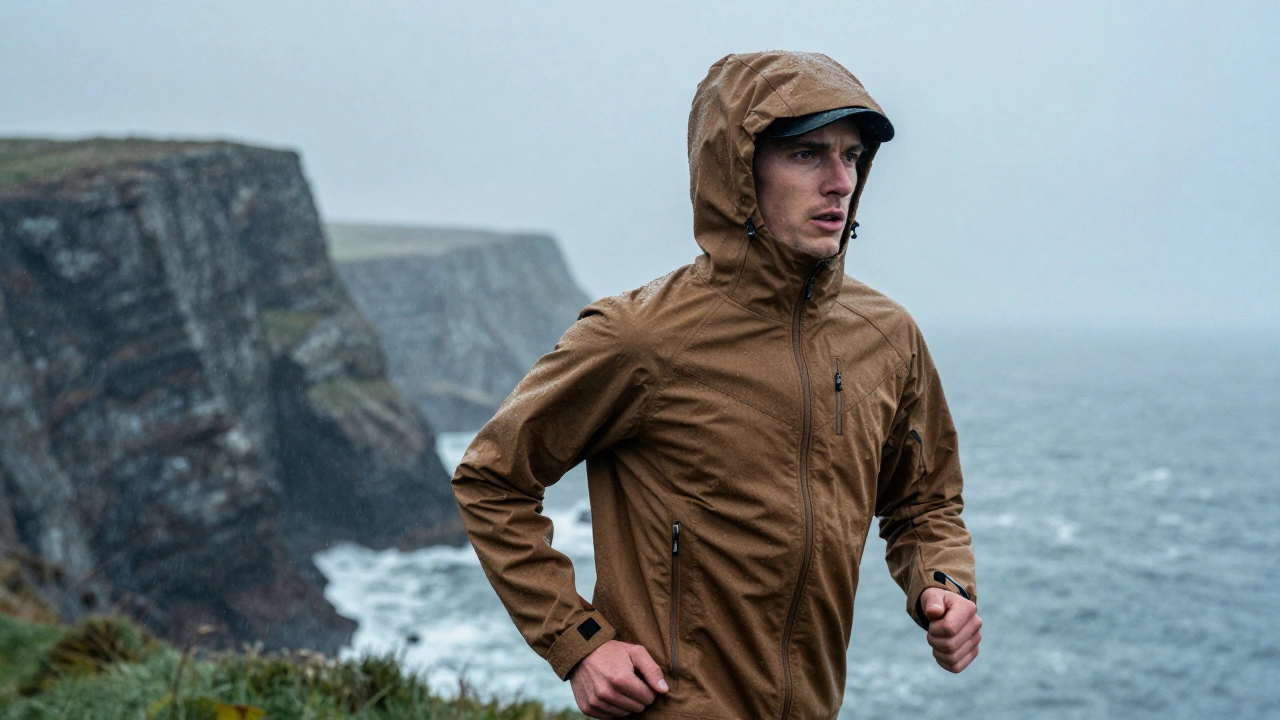
Today, if you walk through the Cliffs of Moher in a cheap polyester tracksuit, you’ll get soaked in five minutes. But if you wear a jacket made from Irish merino wool blend - like those sold by Donegal Tweed Co. or Clarecraft Outdoors - you’ll stay dry, warm, and comfortable. That’s the same principle that made American sportswear successful: performance before pixels.
The Irish Hand in American Brands
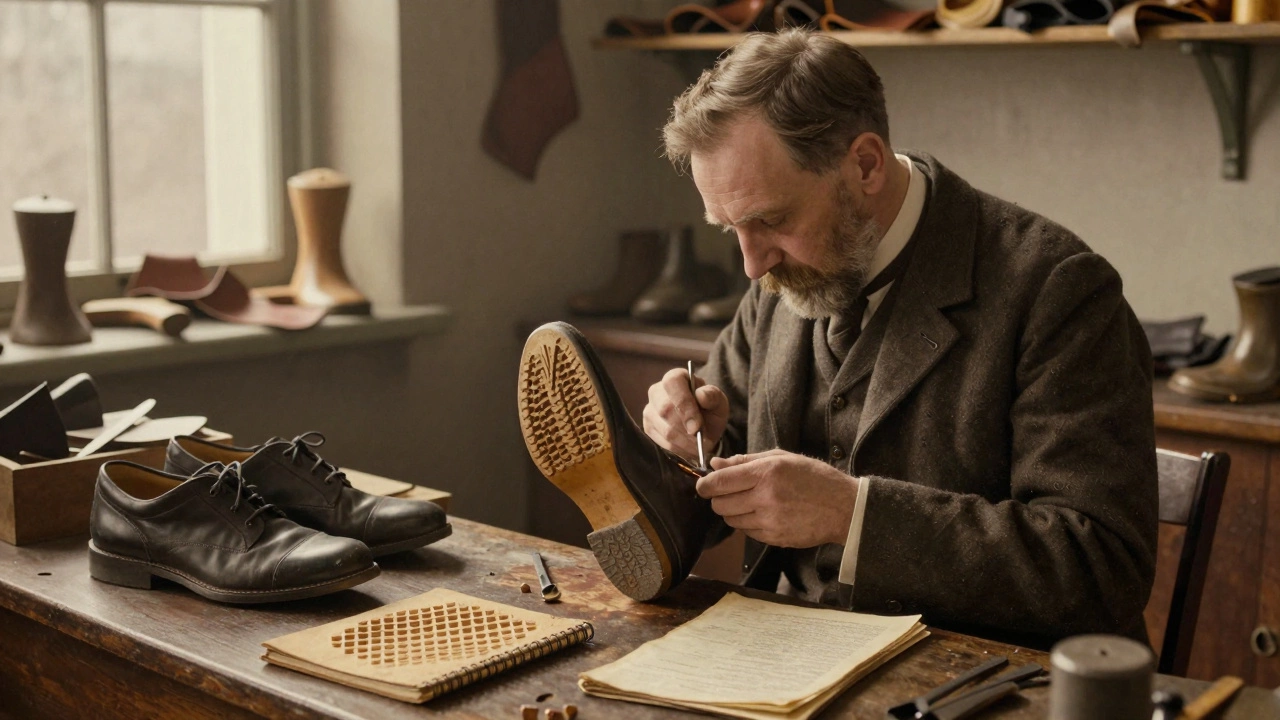
It’s not just about fabric. It’s about craftsmanship. The first athletic shoes with cushioned soles? Developed by a cobbler in Cork who had been repairing boots for marathon runners in Dublin’s Phoenix Park. He noticed that runners kept slipping on wet cobbles. So he carved rubber soles with deep grooves - the same pattern you see today on running shoes.
That design was patented in 1928 and licensed to a small shoe company in Massachusetts. That company? It later became New Balance. The original prototype? Still in a drawer at the National Museum of Ireland in Collins Barracks.
Even Nike’s early success with the Waffle Trainer in the 1970s owed something to Irish innovation. Bill Bowerman, Nike’s co-founder, got the idea for the waffle sole after watching his wife make waffles in a cast-iron pan. But the rubber compound he used? It was based on a formula developed by a chemist from Limerick who was working on waterproofing materials for Irish fishermen’s boots.
Modern Sportswear in Ireland: A Quiet Revolution
Today, Ireland’s own sportswear scene is growing - not because it’s copying Nike, but because it’s returning to its roots. Brands like Wild Atlantic Active in Doolin, Connemara Gear, and Slieve Bloom Outdoors make running tights, windbreakers, and base layers using locally sourced merino wool, recycled ocean plastics, and Irish-designed moisture-wicking weaves.
These aren’t flashy logos on TikTok. They’re made in small workshops in Kilkenny and Galway, tested on the Wicklow Way, and worn by people who run marathons in rainstorms because they have to - not because it’s a trend. The Galway Marathon, held every October, is a perfect example. Runners here don’t care about neon colors. They care about seams that don’t chafe, fabric that doesn’t turn to ice, and hoods that stay on when the wind hits.
Even the Irish Sports Council now partners with local designers to create gear for school athletics programs. In 2024, over 30,000 primary school children in counties Tipperary and Louth received free running jackets made from recycled Irish wool blends. No American brand offered that. Local makers did.
Why This Matters for You
If you’re in Ireland and you buy sportswear, you’re not just buying clothes. You’re choosing between a mass-produced import that might fall apart after three washes - or something made with the same logic that kept your great-grandparents dry in a Donegal storm.
Look for labels that say ‘Made in Ireland’ or ‘Irish wool blend.’ Check if the fabric has a tight weave - that’s what stops wind. Avoid anything labeled ‘polyester’ unless it’s recycled. And if you’re buying for running or hiking, go for something with a hood that fits snugly. You’ll thank yourself when you’re caught in a squall on the Wild Atlantic Way.
The next time you see someone in a sleek running outfit in Dublin’s Phoenix Park, remember: the idea didn’t come from a Silicon Valley startup. It came from someone in Mayo who needed to get to the post office without getting soaked.
What You Can Do Today
- Visit Donegal Tweed Co. in Letterkenny - they sell lightweight wool jackets that outperform most branded rainwear.
- Try Connemara Gear’s moisture-wicking base layers - worn by the Irish national rowing team.
- Look for ‘Irish wool blend’ on tags - it’s a sign of durability, not just marketing.
- Support local makers at markets like the Galway Food Market or Kilkenny Design Centre - they often sell handmade sportswear.
- Don’t assume American brands are better. Test a locally made jacket in the rain. You might be surprised.
The truth? American sportswear didn’t invent itself. It borrowed, adapted, and scaled what the Irish had already perfected - out of necessity, not trend. And now, Ireland is reclaiming its place in the story.
Who really invented American sportswear?
No single person invented American sportswear. It evolved from practical needs in early 20th-century America, but the materials and design principles came heavily from Irish textile traditions. Irish wool blends, waterproofing techniques, and seam construction were imported to the U.S. by immigrants and used by early outdoor brands like L.L.Bean and Filson. The waffle sole in Nike shoes even traces back to a chemist from Limerick.
Is Irish wool better than synthetic sportswear?
For wet, windy conditions - like those in Ireland - yes. Irish merino wool naturally wicks moisture, resists odor, and stays warm even when damp. Synthetic fabrics like polyester trap sweat and can feel clammy. Wool blends, especially those made in Donegal or Connemara, outperform most synthetic gear in real-world Irish weather. They’re not as stretchy, but they last longer and breathe better.
Are there Irish brands making sportswear today?
Yes. Brands like Wild Atlantic Active, Connemara Gear, and Slieve Bloom Outdoors design and make activewear in Ireland using local wool, recycled ocean plastics, and Irish-engineered weaves. Their products are tested on trails like the Wicklow Way and worn by runners in the Galway Marathon. They don’t have global ads, but they’re trusted by locals who know what works in real weather.
Why do Irish runners wear hooded jackets?
Because the wind in Ireland doesn’t wait for you to put on a hat. Hooded jackets - especially those with adjustable hoods and sealed seams - are essential for running in Galway, Kerry, or the Aran Islands. Many Irish runners avoid hoodless jackets because they’ve learned the hard way: a sudden downpour on the Wild Atlantic Way doesn’t give you time to stop.
Can I buy authentic Irish sportswear outside Ireland?
Yes. Brands like Donegal Tweed Co. and Connemara Gear ship internationally. Look for their websites or check specialty outdoor retailers in the UK and U.S. that focus on sustainable gear. Avoid third-party sellers on Amazon or eBay - many fake ‘Irish wool’ products are actually Chinese polyester. Always check for a ‘Made in Ireland’ tag and a fabric composition label.
If you’re looking for gear that lasts through Irish winters, don’t chase the newest logo. Look for the quiet details: the tight weave, the wool blend, the hood that stays on. That’s where the real innovation began - and where it still lives today.