Irish T-Shirt Material Performance Calculator
Assess Your Needs
Tell us about your lifestyle and climate exposure to get personalized recommendations for t-shirts in Ireland.
Your Recommendation
Why This Material Works in Ireland
Recommended Brands
Care Tips for Irish Weather
- Wash in cold water (max 30°C)
- Hang dry indoors or on a line
- Turn inside out before washing
- Avoid tumble dryers
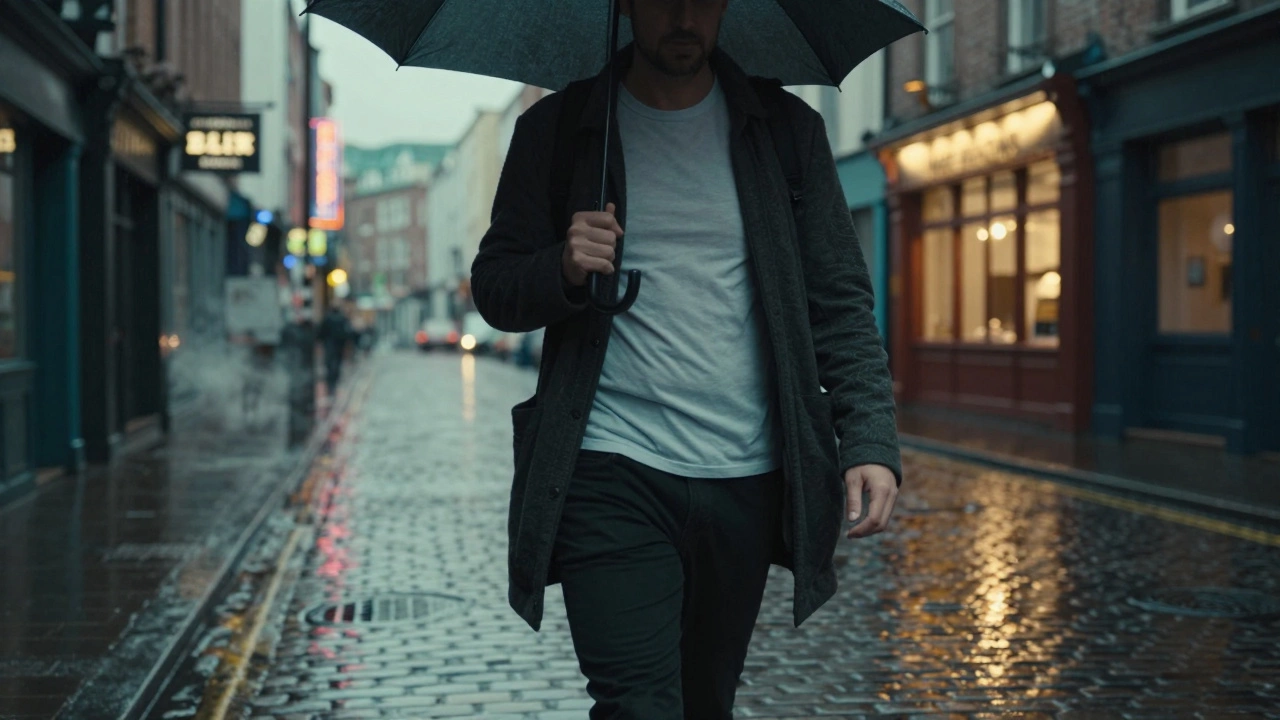
When you’re standing in a Dublin pub on a wet Wednesday night, your t-shirt isn’t just fashion-it’s your first line of defense against the damp. In Ireland, where rain falls more often than the weatherman predicts sunshine, the material of your t-shirt matters more than you think. It’s not about looking good on a sunny beach-it’s about staying dry, warm, and comfortable through endless drizzle, chilly mornings in Galway, and sudden gusts off the Atlantic. So what’s the highest quality material for t-shirts in Ireland? The answer isn’t just about thread count or brand names. It’s about how the fabric behaves in real Irish weather.
Why Cotton Still Wins in Ireland
For decades, cotton has been the default choice for t-shirts across Ireland, and for good reason. Irish weather doesn’t demand technical performance like a hiking jacket-it demands breathability, softness, and the ability to handle frequent washing. A good cotton t-shirt absorbs moisture without clinging, dries reasonably fast, and doesn’t trap body heat when you’re walking from the bus stop to the pub. Brands like Irish Linen & Co. and Claddagh Threads have built their reputations on using long-staple Egyptian or Pima cotton, woven tightly enough to resist pilling but still soft enough to feel like a second skin after just one wash.
Not all cotton is equal. Cheap cotton from fast fashion brands often feels stiff after a few washes and shrinks unevenly-something you’ll notice quickly if you’re hanging your laundry on a line in Cork or Dublin’s inner city, where space is tight and drying time is limited. In contrast, high-quality cotton retains its shape and softness, even after 50+ washes. Look for labels that say “100% long-staple cotton” or “ring-spun cotton.” These terms mean the fibers are longer, smoother, and spun under tension to create a denser, more durable fabric.
The Rise of Organic Cotton in Irish Wardrobes
More Irish consumers are asking where their clothes come from-and cotton is no exception. In 2024, sales of organic cotton t-shirts in Ireland rose by 27%, according to the Irish Sustainable Fashion Alliance. That’s not just a trend; it’s a shift. Organic cotton is grown without synthetic pesticides or GMO seeds, which matters when you care about the land your clothes come from. Brands like Green Isle Wear and Wild Atlantic Threads source their cotton from certified farms in India and Turkey, then dye and stitch locally in Limerick or Belfast.
Why does this matter in Ireland? Because people here value sustainability as much as comfort. You’ll find organic cotton t-shirts sold at farmers’ markets in Kilkenny, stocked in independent boutiques on Grafton Street, and even given out as branded merch at events like the Galway International Arts Festival. These aren’t just clothes-they’re a quiet statement about how you live.
Blends That Actually Work for Irish Conditions
Some people swear by polyester blends for their “quick-dry” claims. But in Ireland’s mild, humid climate, synthetic fibers often trap sweat and smell faster than cotton. That said, there’s one blend that genuinely improves performance: cotton with a small amount of elastane. A 95% cotton, 5% elastane mix gives you the natural feel of cotton with just enough stretch to move comfortably under a wool coat or while cycling through Dublin’s hills. Brands like St. Patrick’s Tee Co. have perfected this blend for Irish lifestyles-no one wants a t-shirt that rides up when you’re reaching for a pint.
Avoid blends with more than 10% polyester or nylon. These materials don’t breathe well, retain odors, and can feel plasticky against the skin. In a country where you might wear the same t-shirt for three days straight during a weekend in the Wicklow Mountains, breathability isn’t a luxury-it’s a necessity.
What About Bamboo or TENCEL?
You’ve probably seen bamboo t-shirts marketed as eco-friendly and ultra-soft. And yes, they are soft. But here’s the catch: most “bamboo” fabric isn’t made from bamboo fibers at all-it’s rayon made from chemically processed bamboo pulp. The process uses harsh solvents, and the end product behaves just like viscose: it stretches out, wrinkles easily, and loses shape after a few washes. That’s not ideal if you’re packing light for a trip to the Dingle Peninsula.
TENCEL™ Lyocell, on the other hand, is a different story. Made from sustainably harvested eucalyptus trees, it’s produced in a closed-loop system that recycles 99% of the solvents used. TENCEL™ has the drape and softness of silk, the breathability of cotton, and holds up better than bamboo in repeated washing. Brands like Irish Earthwear use TENCEL™ blends for their premium t-shirts, and they’re popular among outdoor enthusiasts in Donegal and the Aran Islands, where dampness is constant and comfort is non-negotiable.
Local Irish Brands Doing It Right
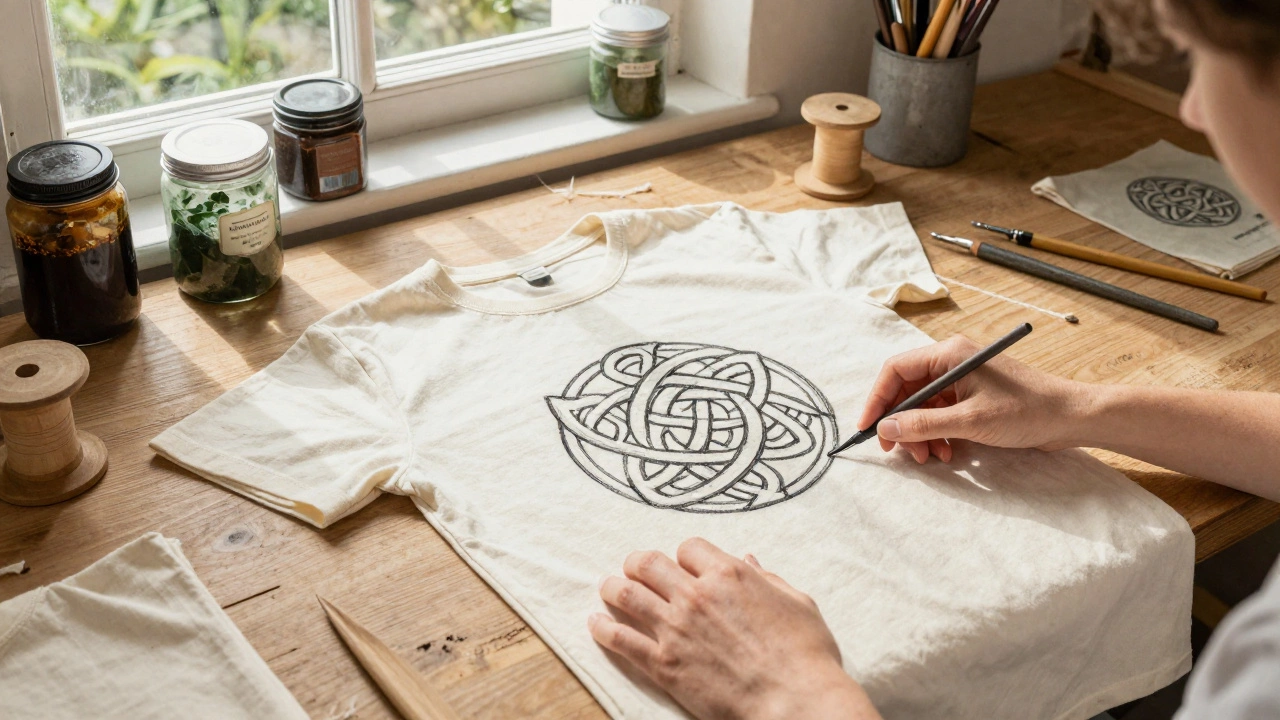
You don’t need to buy from overseas giants to get quality. Ireland has a growing number of small, ethical brands making t-shirts that are built for local life. Donegal Knitwear Co. doesn’t just make sweaters-they now offer a line of 100% organic cotton t-shirts, dyed with plant-based pigments and printed using water-based inks in their workshop near Ballyshannon. Their t-shirts are thick enough to layer under a raincoat but light enough to wear alone in late spring.
In Belfast, Ulster Threads partners with local artists to create limited-run designs inspired by Irish folklore, printed on ring-spun cotton sourced from Fair Trade certified mills. Each t-shirt comes with a small card explaining the origin of the fabric and the artist behind the print. It’s not just clothing-it’s storytelling.
And then there’s Connemara Cotton, a tiny brand based in the west of Galway that only produces 500 t-shirts a month. They use cotton grown in Egypt but spun and woven in County Mayo, then cut and sewn by hand in a small studio overlooking the Atlantic. Their t-shirts cost €45-but they last five years. That’s not expensive. That’s smart.
What to Avoid
Steer clear of t-shirts labeled “premium” that are actually made from 60% polyester and 40% cotton. These are often sold by big-box retailers like Primark or Amazon Basics under misleading names. They might feel soft at first, but after three washes, they’ll start to look faded, feel stiff, and develop a sour smell even if you haven’t worn them for days. In Ireland’s damp climate, that smell sticks-and it’s hard to get rid of.
Also avoid ultra-thin, translucent cotton. It might look trendy in a magazine, but in a pub in Sligo with the lights on, you’ll regret it. Look for a weight between 160g/m² and 180g/m². That’s the sweet spot: substantial enough to be opaque, soft enough to be comfortable, and durable enough to survive a winter of layering.
How to Care for Your T-Shirts in Ireland
Even the best material won’t last if you treat it wrong. Wash your t-shirts in cold water (30°C max) to preserve the fibers and reduce shrinkage. Hang them to dry indoors or on a line outside-never tumble dry. The heat from dryers breaks down cotton fibers faster, especially in the collar and sleeves. If you live in a city apartment with no balcony, use a drying rack near a radiator, but keep it at least 30cm away to avoid overheating.
Turn your t-shirts inside out before washing. This protects the print and keeps the color from fading under Ireland’s grey skies. And don’t overload your machine. Clothes need space to move. A crowded drum means uneven washing and more wear on the fabric.
Final Verdict: What’s the Best Material?
The highest quality material for t-shirts in Ireland is 100% long-staple, ring-spun cotton-or a blend of 95% cotton and 5% elastane for added stretch. If you want to go further, TENCEL™ Lyocell blends offer superior softness and sustainability without sacrificing durability. Avoid synthetics, cheap blends, and ultra-thin weaves. Invest in brands that tell you where their cotton comes from, how it’s made, and who made it.
In Ireland, your t-shirt isn’t just a piece of clothing. It’s part of how you live-with the rain, the wind, the pubs, the hills, and the quiet pride of wearing something made to last. Choose well. Wear longer. And when someone asks where you got it, you’ll have a story to tell.
Is organic cotton better than regular cotton for Irish weather?
Yes, organic cotton is better for the environment and often softer because it’s processed without harsh chemicals. In Ireland’s damp climate, it performs just as well as regular cotton but lasts longer because the fibers aren’t damaged by synthetic treatments. Brands like Green Isle Wear use organic cotton that’s been tested in real Irish conditions-from rainy Dublin days to windy Galway nights.
Are bamboo t-shirts worth buying in Ireland?
Most bamboo t-shirts are actually rayon made from chemically processed bamboo, which doesn’t hold up well in repeated washing and can lose shape quickly. In Ireland’s humid climate, this means they’ll stretch out and sag after just a few months. Stick to certified TENCEL™ Lyocell if you want a plant-based alternative-it’s more durable, more sustainable, and feels better against the skin.
Should I buy t-shirts with polyester blends for better drying?
No. Polyester blends dry faster, but they trap sweat and odor in Ireland’s cool, damp air. You’ll end up smelling worse, not better. A small amount of elastane (up to 5%) is fine for stretch, but anything more than 10% polyester will make your t-shirt feel plasticky and smell stubborn. Stick to cotton-based fabrics.
What’s the ideal weight for a t-shirt in Ireland?
Look for t-shirts between 160g/m² and 180g/m². Anything lighter (under 150g/m²) will be see-through and tear easily. Anything heavier (over 200g/m²) will feel too warm for layering under a coat. This range gives you the right balance of durability, opacity, and comfort for Irish weather.
Where can I buy quality Irish-made t-shirts?
Check out local makers like Irish Linen & Co. in Dublin, Donegal Knitwear Co. in Donegal, and Ulster Threads in Belfast. Many also sell online through their own websites or at markets like the English Market in Cork or the St. Stephen’s Green Farmers’ Market. Avoid big chains-look for brands that name their suppliers and show where their clothes are made.