Irish Trainer Suitability Checker
How to use this tool
Answer these 5 key questions about your trainers. Based on Irish conditions, we'll tell you if your shoes are built for the job.
Your Trainer Suitability
Enter your answers to see if your trainers are fit for Irish conditions.
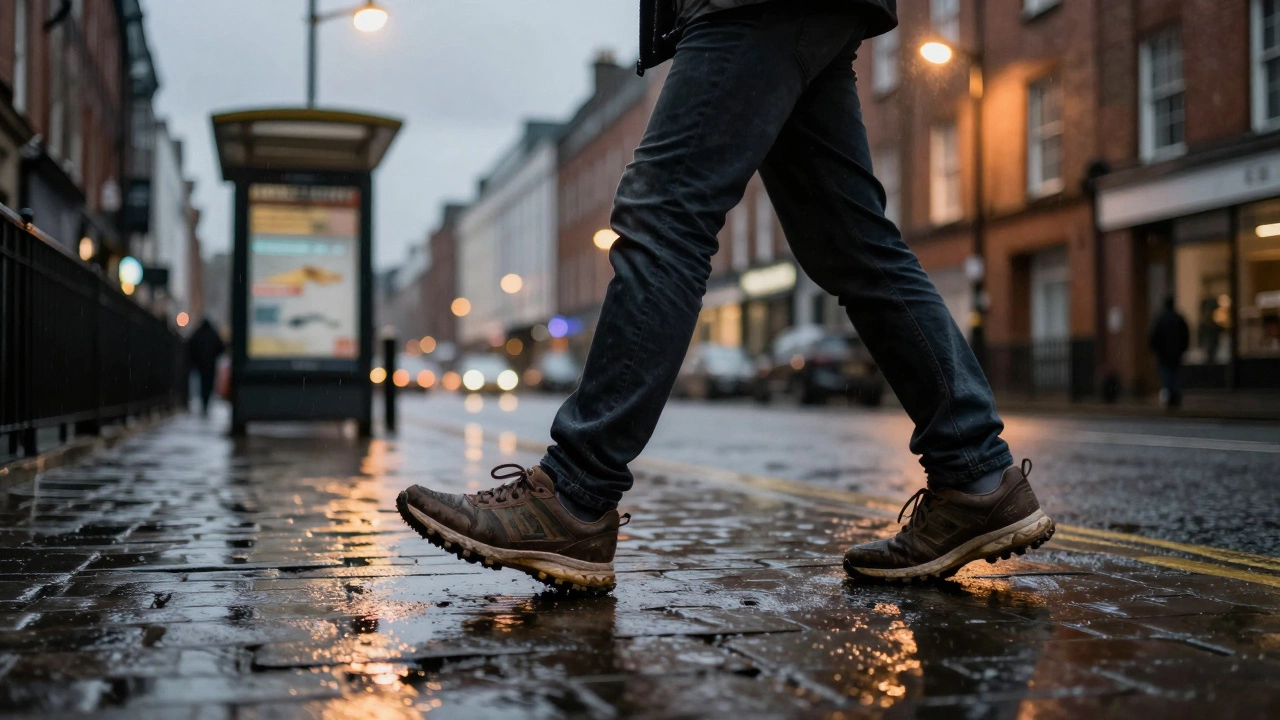
In Ireland, trainers aren’t just gym gear or fashion statements-they’re survival tools. With rain falling an average of 225 days a year and roads in Galway, Cork, or Derry often slick with puddles after a sudden downpour, the right pair of trainers isn’t optional. It’s what gets you from the bus stop to work, across the Wicklow Way on a weekend hike, or through the cobblestones of Temple Bar without soaking your socks. This isn’t about looking cool-it’s about staying dry, stable, and sane.
Trainers in Ireland: Built for the Ground, Not the Catwalk
Most people think of trainers as lightweight, flashy sneakers meant for running tracks or Instagram posts. But in Ireland, the best trainers are built like boots with laces. Brands like Clarks, Geox, and local favorites like Irish Walking Shoes dominate the shelves in Dunnes Stores, Penneys, and independent outlets in Kilkenny or Sligo. These aren’t the same as the thin-soled runners you’d find in Miami or LA. They’ve got grippy rubber soles, waterproof membranes, and cushioning designed for wet grass, uneven footpaths, and the occasional muddy field behind a pub in Donegal.
Think about it: when was the last time you saw someone in Dublin wearing white canvas sneakers in November? Probably never. The Irish weather doesn’t care about aesthetics. It cares about traction. That’s why brands like Merrell and Salomon sell so well here-not because people are into trail running, but because they need to walk from the DART station to their office in Sandymount without slipping on wet pavement.
What Trainers Are Actually Meant For in Daily Irish Life
Let’s break it down. In Ireland, trainers serve five real purposes:
- Walking to work or school-most Irish commuters don’t drive. They walk, take the Luas, or hop on a bus. Trainers with arch support and water resistance make that daily slog bearable, especially in cities like Limerick or Waterford where sidewalks crack and drain covers rust.
- Weekend hikes and nature trails-from the Cliffs of Moher to the Glendalough loops, Ireland’s landscapes are stunning but unforgiving. Trainers with ankle support and deep treads are the go-to for families heading out on a Sunday walk. You’ll see them everywhere: in the Wicklow Mountains, on the Burren, even along the Causeway Coast.
- Outdoor festivals and events-Glastonbury Ireland? Not quite. But Electric Picnic, Body & Soul, and the Galway International Oyster Festival happen in fields that turn into mud baths after one rainstorm. People don’t bring fancy shoes-they bring rugged trainers. Some even wear them to weddings held in barns near Ennis.
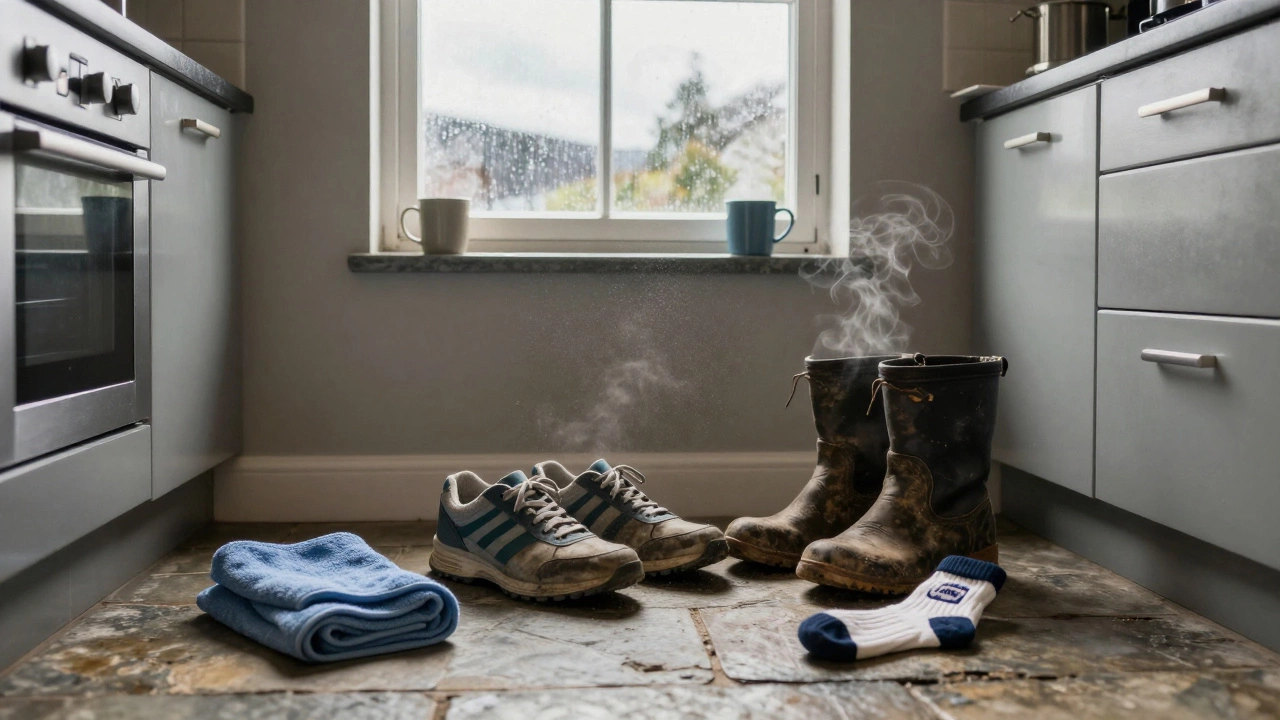
- Winter commuting in towns without proper heating-many older Irish homes still have stone floors and drafty hallways. People often wear trainers indoors in winter because they’re warmer than slippers and less likely to track in wetness from the door. It’s common to see people change out of their boots into trainers as soon as they walk in.
- Supporting local businesses-Irish-made trainers like those from Boots of the West or Claddagh Footwear are quietly growing in popularity. These brands use Irish leather, recycled rubber, and hand-stitched soles. They’re pricier, but they last. And in a country where repair culture is making a comeback, that matters.
The Hidden Rules of Wearing Trainers in Ireland
There’s an unspoken code. You won’t see someone in Dublin wearing neon pink trainers with glitter soles to a job interview-even if it’s at a startup. But you’ll see them at the farmers’ market in Temple Bar on a Saturday morning. The rule? Trainers are fine for casual, active, or outdoorsy settings-but not for formal events unless they’re sleek, dark, and clean.
And here’s a tip: if you’re new to Ireland, don’t buy trainers based on how they look in a catalogue. Test them on a wet tile floor. Walk on them in socks. Check the sole. If it’s shallow or smooth, put them back. The best ones grip like a bogland boot but look like regular sneakers.

What to Look For When Buying Trainers in Ireland
Not all trainers are created equal here. Here’s what actually works:
- Waterproof lining-Gore-Tex or similar tech is non-negotiable. Brands like Clarks Unstructured and Geox D-Flex have this built in.
- Deep, multi-directional tread-Look for lugs that look like tire treads. These grip wet stone, mossy paths, and Dublin’s icy sidewalks better than flat soles.
- Lightweight cushioning-You’ll be walking miles. Memory foam or EVA midsoles make a difference after a 10km walk from Howth to Balscadden.
- Easy to clean-Mud is inevitable. Trainers that can be wiped down with a damp cloth or tossed in the wash (without falling apart) are worth the extra €10.
- Dark colors-Black, charcoal, navy. White trainers? They’re a luxury item here. You’ll see them in summer, rarely in winter.
Trainers vs. Boots: When to Choose What
Some people think boots are better for Ireland. And sometimes, they are. But boots are heavier, hotter in summer, and harder to slip on when you’re rushing to catch the 8:15 bus from Bray to Dublin. Trainers win for daily use. Boots win for deep mud, winter snow in the Sperrins, or if you’re working on a farm near Athlone.
Most Irish households have both: a pair of rugged trainers for Monday to Friday, and a pair of waterproof boots for weekend walks or farm visits. It’s not about fashion-it’s about practicality layered over seasons.
Why This Matters More Than You Think
Trainers in Ireland reflect a deeper cultural trait: resilience. We don’t wait for perfect weather. We adapt. We wear the right shoes, carry an umbrella in our bag even when the sky is blue, and keep a spare pair of socks in the car. The same goes for footwear. Choosing the right trainers isn’t a fashion choice-it’s a daily act of preparedness.
It’s why Irish people don’t buy trainers online without reading reviews from other Irish buyers. They want to know: “Did these hold up in Galway rain?” “Can you walk the Dingle Way in them?” “Do they smell after a week in the wet?”
When you ask, “What are trainers meant for?” in Ireland, the answer isn’t “exercise” or “style.” It’s “survival.”
Can I wear regular sneakers in Ireland?
Only if you enjoy wet socks and slipping on wet pavement. Regular sneakers without waterproofing or grip won’t last a week in Irish weather. They’re fine for summer days in Cork or during a heatwave in Dublin, but for the rest of the year, you need something tougher.
Are Irish-made trainers worth the extra cost?
Yes, if you plan to wear them often. Brands like Claddagh Footwear or Boots of the West use durable materials, hand-stitched soles, and Irish leather. They cost more upfront-around €120-€160-but last 3-5 years with regular use. Cheaper imported ones often split at the sole after six months in wet conditions.
Where’s the best place to buy trainers in Ireland?
For value and variety, head to Dunnes Stores or Penneys. For durability and Irish-made options, check out independent shops like Footwear Co. in Galway, or The Shoe Room in Kilkenny. Online, Irish retailers like IrishWalkingShoes.ie offer local sizing and weather-tested models.
Do I need different trainers for winter and summer?
You can get away with one good pair year-round if it’s waterproof and has good insulation. But many Irish people switch: lighter, breathable trainers in spring and summer, and heavier, insulated ones with thicker soles in autumn and winter. The change usually happens around October, right after the first real rainstorm.
Can I wear trainers to work in Ireland?
It depends on your job. In creative fields, tech startups, or schools, yes-dark, clean trainers are normal. In banks, law firms, or government offices, you’ll still need closed-toe shoes. But even there, a sleek black leather trainer is becoming acceptable as a “business casual” option.
Final Thought: It’s Not About Shoes-It’s About Being Ready
In Ireland, your shoes tell people how you handle the unexpected. Trainers aren’t just footwear-they’re part of your daily strategy. Whether you’re a student walking to UCD, a tourist hiking the Wicklow Way, or a retiree visiting the Doolin pier, the right pair means you don’t have to stop. You don’t have to wait for the sun. You just keep going.