Slipper Style & Warmth Finder
Not sure which style fits your home? Select your environment and goal to find the perfect match.
1. What is your floor like?
2. What is your priority?
Your Perfect Match
The Real Names: From Tushuo to Modern Slides
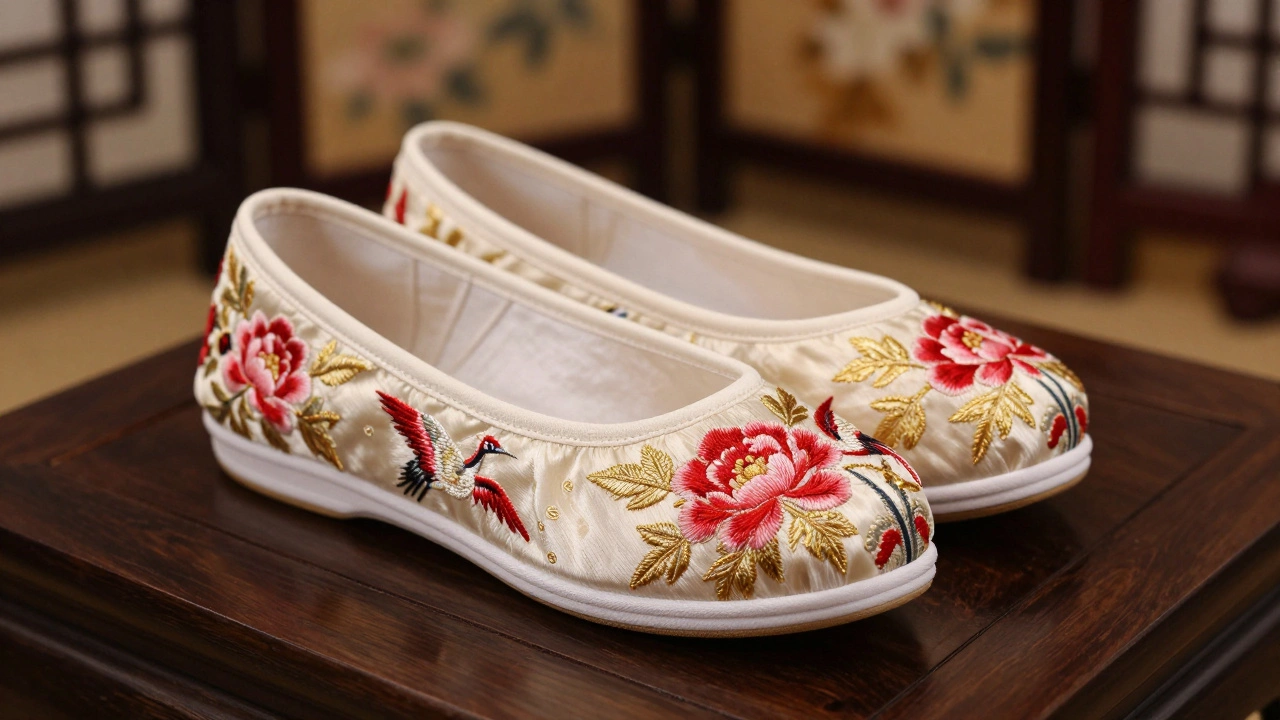
When people ask what Chinese slippers are called, they are usually referring to one of two very different things: traditional ceremonial shoes or the common indoor slides used today. First, there are the Tushuo. These are the traditional, often embroidered, cloth shoes. Historically, these weren't just for lounging; they were crafted with specific materials to denote social status. The high-end versions used Silk, a natural protein fiber produced by silkworms, which provided a shimmering finish and a lightweight feel. If you see slippers with intricate floral patterns, cranes, or dragons, you're looking at a style heavily influenced by the Qing Dynasty's aesthetic. Then you have the modern version: the simple cloth slide or "house shoe." In Mandarin, the general term for slippers is Tuaxie. These are the practical, open-back shoes that prioritize comfort over ceremony. Unlike the heavy wool slippers we often buy at Penneys or Dune London to combat a drafty Irish hallway, these are typically thinner, made of cotton or synthetic blends, and designed for warmer climates.Materials and Craftsmanship: Why They Differ from Irish Wool
If you're used to the thick, shearling-lined slippers common in the Irish market, the traditional Chinese variety will feel startlingly different. The core of traditional Chinese footwear is the use of breathable fabrics.| Feature | Traditional Chinese (Tushuo/Tuaxie) | Typical Irish House Shoe |
|---|---|---|
| Primary Material | Silk, Satin, Cotton | Wool, Sheepskin, Felt |
| Sole Type | Cloth or Thin Rubber | Hard Rubber or Memory Foam |
| Heat Retention | Low (Breathable) | High (Insulating) |
| Aesthetic | Embroidered/Patterned | Plains/Neutral/Fluffy |
The Cultural Symbolism Behind the Patterns
One of the most fascinating parts of these shoes is that they aren't just footwear; they're a language. If you're buying a pair as a gift or for yourself, the patterns actually mean something. For instance, the Peony is a common motif and represents prosperity and honor. If you see a pair of slippers with a crane, that's a symbol of longevity. This level of detail is a far cry from the generic "cute" prints we see on slippers in most Irish high-street stores. In the context of a modern Irish home, where we blend various cultural influences, these slippers serve as a great way to bring a bit of global artistry into a personal space. It's a shift from the purely utilitarian "keep my feet warm" mindset to "I want my loungewear to be a statement piece."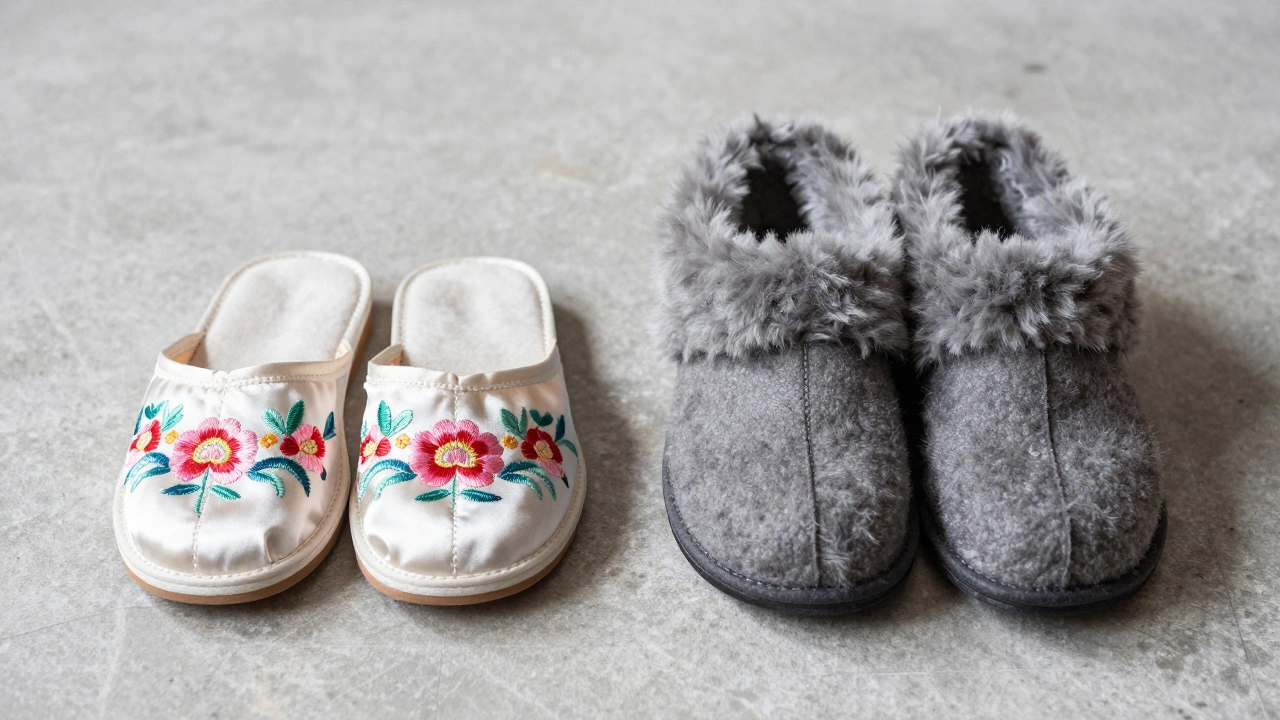
How to Choose the Right Pair for a Cold Climate
Let's be honest: a thin cotton slide from East Asia is going to leave you shivering if you're walking across a stone floor in a cottage in County Kerry. If you want the look of Chinese slippers but need the warmth of a winter boot, you have to be strategic about what you buy. First, look for "winterized" versions. These are often labeled as quilted slippers. They use a technique where two layers of fabric are stitched together with padding in between, creating a pocket of air that traps heat. This is the closest equivalent to the insulation we get from wool. Second, consider the sole. Traditional cloth soles soak up moisture. In a humid environment like Ireland, where a bit of rain often follows you inside on your heels, a rubberized sole is non-negotiable. It prevents the fabric from absorbing dampness from the floor, which would otherwise lead to cold, soggy feet. Third, size up. Many traditional Chinese shoes are designed with a snug fit to keep the foot secure. However, if you plan on wearing thick wool socks-a staple for any Irish winter-you'll need a pair that offers a bit more room in the toe box to avoid pinching.Where Traditional Styles Meet Modern Home Trends
There is a growing trend in Irish interior design toward "minimalist luxury," which often includes incorporating elements from different cultures. The sleek, low-profile silhouette of the Oriental Slipper fits perfectly into this. Unlike the bulky "slipper boots" that can feel clunky, silk or satin slides provide a refined look that works well for hosting guests. If you're having a small get-together in a city apartment in Dublin, swapping your heavy house shoes for a pair of embroidered slides elevates the vibe from "lazy Sunday" to "curated comfort." It's also worth noting the shift toward sustainable materials. Many modern versions of these slippers are moving away from synthetic polyesters and returning to organic cotton and hemp, which aligns with the growing eco-conscious movement seen across Ireland's urban centers.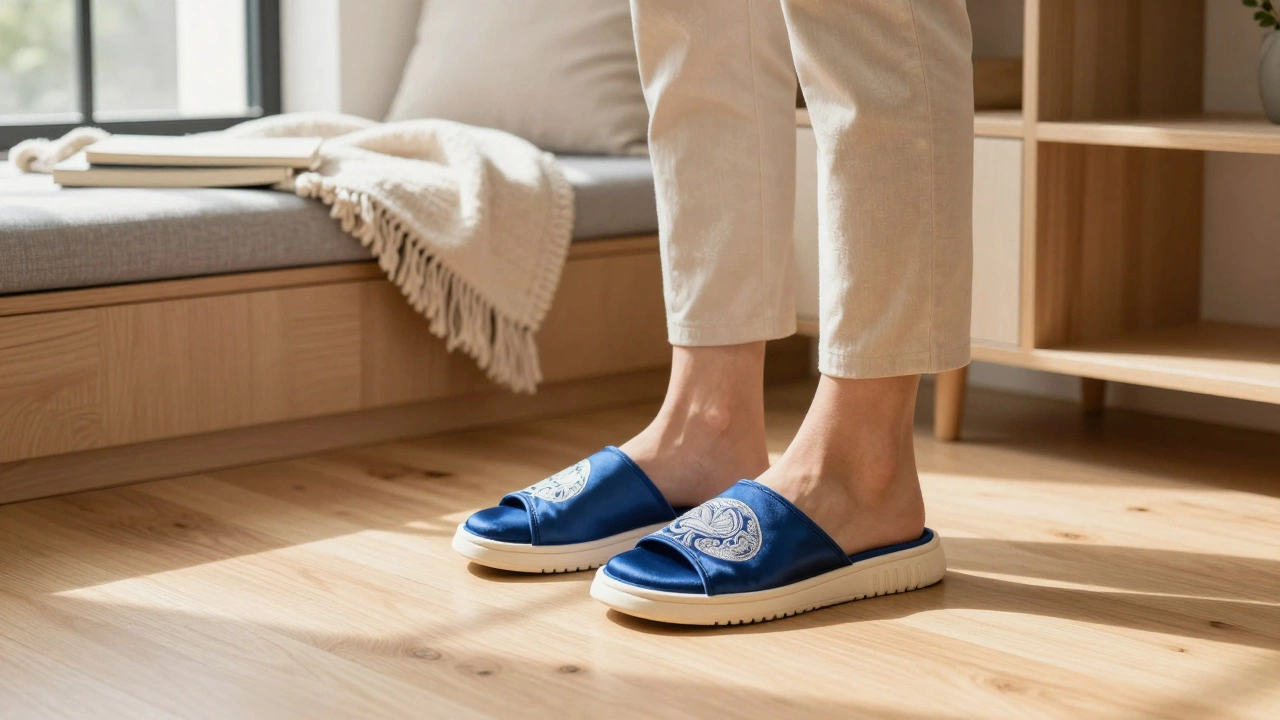
Caring for Your Silk and Embroidered Footwear
Because these aren't your standard machine-washable woolies, you can't just toss them in the wash with your towels. Silk and intricate embroidery are delicate. To keep them looking fresh, stick to spot cleaning. Use a damp cloth with a tiny bit of mild detergent to wipe away marks. If they start to lose their shape, avoid stuffing them with newspaper; instead, use acid-free tissue paper to maintain the curve of the toe. If you live in a particularly damp area, like the West Coast, avoid leaving them directly on a cold, damp floor for hours. This can cause the glue in the soles to degrade over time. Instead, keep them on a small mat or a shoe rack near the entrance of the room.Are Chinese slippers just called "slippers" in China?
Mostly, yes. The general term is "tuaxie," which refers to the slide-on style of house shoe. However, the traditional embroidered versions are often categorized by their material (like silk) or their specific historical style, such as "Tushuo."
Can I wear traditional Chinese slippers in a cold Irish winter?
Standard silk or cotton ones are too thin for Irish winters. To make them work, look for quilted versions or wear them with a pair of high-quality wool socks to provide the necessary insulation against cold floors.
What is the difference between Tushuo and Tuaxie?
Tushuo generally refers to the more traditional, often closed-toe and highly decorated cloth shoes of the past. Tuaxie is the more modern, everyday term for the open-back slides we recognize as slippers today.
Do Chinese slippers have specific meanings in their patterns?
Yes, they do. For example, peonies symbolize wealth and honor, while cranes represent longevity. Dragons and phoenixes often symbolize power and grace, making the shoes more than just functional items.
How should I clean silk embroidered slippers?
Never put them in a washing machine. Use a damp cloth for spot cleaning and store them in a dry place. Using acid-free tissue paper inside the shoes helps them keep their shape over time.