
Quick Guide to Picking the Right One
- Heavyweight (300-500 GSM): Best for winter and windy coastal areas.
- Mid-weight (200-300 GSM): Perfect for layering under a raincoat in autumn.
- Material: Look for 100% organic cotton for breathability or a cotton-poly blend for durability.
- Fit: Oversized for lounge wear; slim-fit for layering under a denim jacket or parka.
The Fabric Battle: Cotton vs. Polyester
When you're browsing through shops in Dundrum or scrolling through online stores, you'll see a lot of talk about "blend." Here is the deal: Cotton is a natural fiber that feels great and breathes well. However, 100% cotton can take forever to dry if you get caught in a sudden Dublin downpour. On the other hand, Polyester is a synthetic polymer that dries quickly and resists wrinkles. The problem? It can feel plasticky and often traps odors.
For the Irish climate, a 80/20 cotton-polyester blend is often the sweet spot. It gives you the softness and luxury of cotton but adds enough synthetic strength to prevent the hoodie from losing its shape after ten washes. If you are looking for something high-end, look for French Terry, which is a knit fabric with loops on the inside. It's lighter than fleece, making it ideal for those weird Irish "spring" days where it's 12 degrees and raining one minute, then sunny the next.
| Material | Warmth | Breathability | Drying Speed | Best Use Case |
|---|---|---|---|---|
| 100% Heavy Cotton | High | High | Slow | Cold winter nights in Kerry |
| Cotton-Poly Blend | Medium | Medium | Medium | Daily wear in Dublin/Cork |
| French Terry | Low-Medium | Very High | Fast | Layering during September/October |
| Fleece-Lined | Very High | Low | Slow | Outdoor events / Winter hiking |
Weight and GSM: Why it Matters
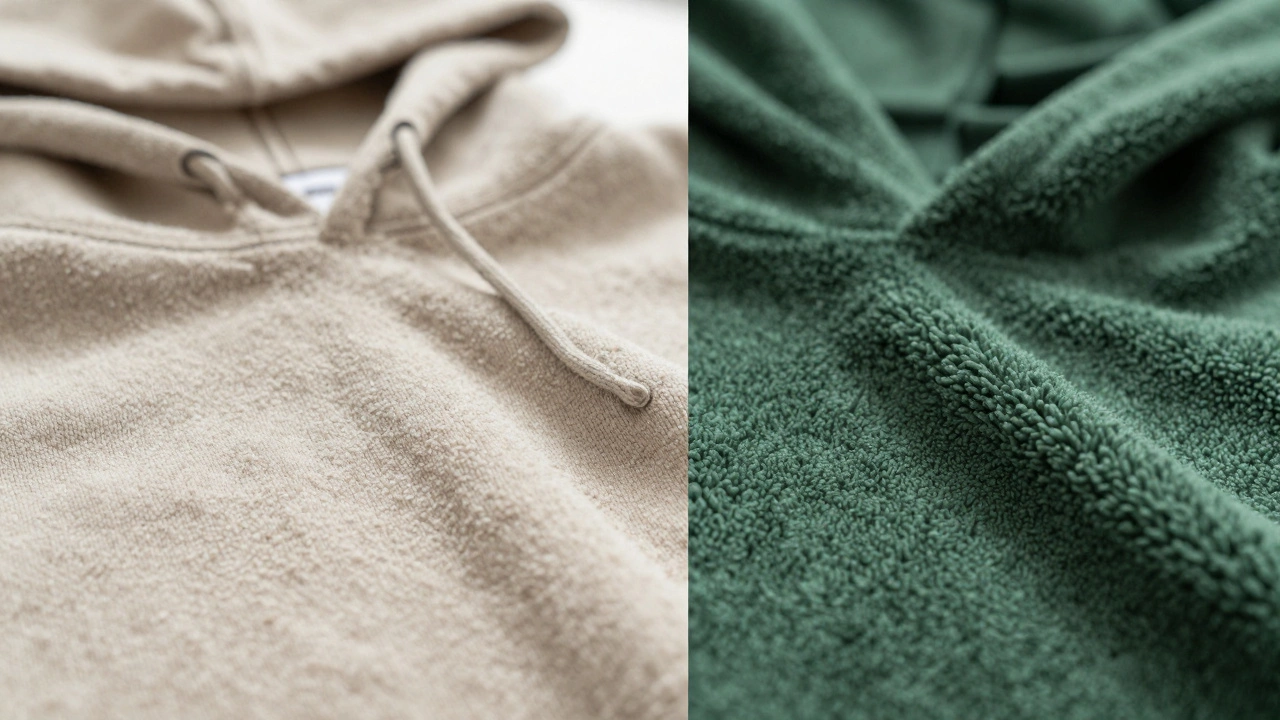
You might see the term "GSM" (Grams per Square Meter) in the product description. This isn't just technical jargon; it's the difference between a hoodie that keeps you warm and one that's basically a long-sleeve t-shirt. In the Irish market, you generally want to aim for at least 300 GSM if you intend for it to be your primary outer layer during the autumn months.
A 400-500 GSM hoodie is a "heavyweight" piece. These are incredibly cozy and hold their structure well, meaning they don't cling to your body. If you're buying for a student in Maynooth or UCC who spends half their life in a chilly library, this is the way to go. If you're looking for something more athletic, a 250 GSM Sportswear hoodie works better because it doesn't cause you to overheat while walking briskly across campus.
Finding the Perfect Fit for Your Style
Fit is where most people mess up. There are three main directions you can go. First, there is the Standard Fit. This is your basic, reliable hoodie that hits right at the hip. It's the safest bet and works perfectly under a Jackets shell or a puffer coat. It doesn't add bulk, so you won't feel like a marshmallow when you put on your winter gear.
Then there's the Oversized Fit. This has become huge in cities like Dublin and Cork, especially among the younger crowd. It usually features dropped shoulders and a wider torso. While it's incredibly comfortable for lounging at home or going to a cinema in Blanchardstown, be careful. An oversized hoodie under a slim-fit jacket creates awkward bunches of fabric around your armpits, which is a nightmare when you're trying to carry an umbrella in the wind.
Finally, the Cropped or Slim Fit is more of a fashion statement. These are great for a curated look, but from a practical standpoint in Ireland, they offer very little protection against the draft. If you go this route, make sure you have a very heavy coat to compensate for the lack of insulation around your midsection.
The Details: Hoods, Cuffs, and Pockets
Don't ignore the small stuff. A "good" hoodie is defined by its construction. Look at the hood: is it double-lined? A single-layer hood will flop over and offer zero protection against a breeze. A double-lined hood keeps its shape and actually keeps the heat trapped around your head.
Check the cuffs and the waistband. You want ribbed fabric with a high percentage of elastane. If the cuffs are loose, cold air will rush up your sleeves, making the rest of the garment useless. Similarly, a tight waistband prevents that annoying draft from entering at the bottom. For pockets, the classic "kangaroo pocket" is great, but if you're someone who carries a phone and a set of keys, check if the pocket has a reinforced opening. There's nothing worse than a pocket rip right when you're rushing to catch a bus on the Quays.
Sustainable Choices in the Irish Market
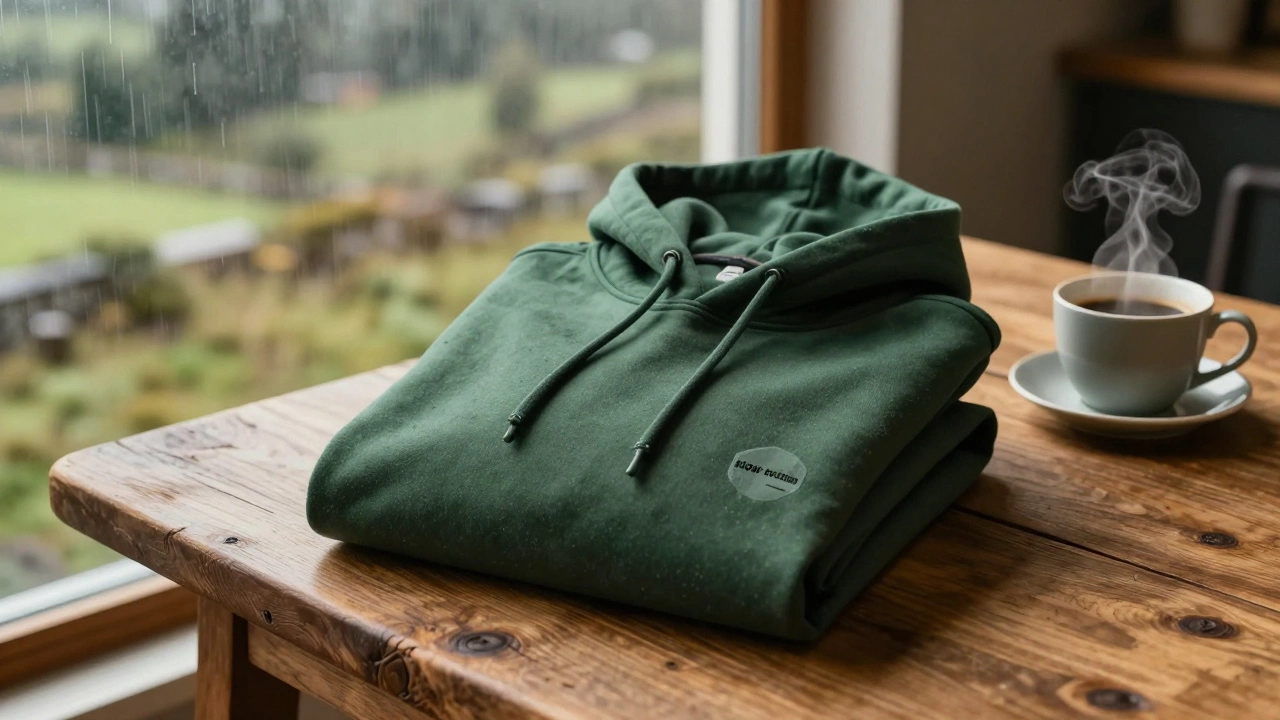
There is a growing movement toward Sustainable Fashion across Ireland. Instead of buying a cheap hoodie that shrinks after two washes, many are turning to Irish brands that focus on slow fashion. Look for certifications like GOTS (Global Organic Textile Standard). These hoodies are usually made from organic cotton that doesn't use toxic pesticides, and they tend to be much thicker and more durable than their fast-fashion counterparts.
Buying local also means the garment is designed for the actual conditions we face. A hoodie designed in a studio in sunny California is often too thin for a rainy Tuesday in Limerick. Irish-designed pieces often account for the need for higher density and better wind resistance. It might cost more upfront, but a high-quality, sustainable hoodie will easily last you five years, whereas a budget one might end up in a landfill by next February.
Avoiding Common Buying Pitfalls
One of the biggest mistakes is ignoring the "shrinkage factor." If you buy a 100% cotton hoodie that fits you perfectly in the store, it might be two sizes too small after its first trip through a hot dryer. Always check the care label. If it says "wash cold, hang dry," believe it. If you must use a dryer, size up slightly.
Another pitfall is the "fake fleece" trap. Some brands use a very thin fabric and brush it once to make it feel soft. This feels great in the shop, but after three washes, those little fibers clump together, and the hoodie loses all its warmth. To test this, pinch the fabric and pull it slightly; if you see the interior lining separating from the outer shell, it's a low-quality build that won't survive a winter.
What is the best hoodie for rainy Irish weather?
For rainy conditions, avoid 100% cotton as it absorbs water and stays damp for hours. A cotton-polyester blend or a French Terry fabric is better because they dry faster. However, a hoodie is not a raincoat; always pair it with a waterproof shell or a waxed jacket to keep the moisture out while the hoodie provides the insulation.
How often should I wash my heavyweight hoodie?
To keep the fabric from pilling and the fit from shrinking, avoid washing it after every wear. Unless you've spilled something on it, washing it every 5-7 wears is usually enough. Always wash inside out on a cool setting to preserve the color and the interior fleece.
Do oversized hoodies actually keep you warmer?
Not necessarily. While they feel cozier, the extra space can allow warm air to escape and cold drafts to enter. For maximum warmth, a standard fit that sits closer to the body is more effective at trapping heat. If you love the oversized look, wear a thin thermal layer underneath.
Where is the best place to buy quality hoodies in Ireland?
Depending on your budget, you can find great options at local boutiques in the Creative Quarter of Dublin, sustainable labels based in Galway, or specialized sportswear shops in major cities. Always check the GSM and material composition rather than relying solely on the brand name.
What does GSM mean when buying a hoodie?
GSM stands for Grams per Square Meter. It measures the density of the fabric. A higher GSM means a thicker, heavier, and usually warmer hoodie. For Ireland, 300+ GSM is recommended for winter, while 200-300 GSM is better for transitional seasons.
Next Steps for Your Wardrobe
Now that you know what to look for, start by auditing what you already have. If your current hoodies are thin and losing shape, it's time to invest in one high-quality heavyweight piece. If you're shopping in person, don't be afraid to feel the inside of the fabric-look for a dense, consistent nap without bald patches.
If you're buying online, always check the size guide for the "pit-to-pit" measurement. This is the most accurate way to tell if a hoodie will be a slim fit or oversized. Finally, consider the color. While black is a classic, a deep navy or forest green blends well with the typical Irish outdoor palette and hides the occasional splash of mud from a rainy walk much better than light grey.